Innovation Keynote Speakers for 2026
Disruptors who created new categories and transformed industries. Founders and inventors who shipped what experts said was impossible.
Find Your SpeakerWhy Book an Innovation Speaker?
- Hear how Chris Barton built Shazam — the first mass-consumer AI product, now used by 300M+ people monthly — after MIT and Stanford experts said the pattern-matching was impossible
- Get the founder-builder perspective from Adam Cheyer, who co-created Siri (2B+ devices), Viv (Samsung Bixby, 500M+ devices), and three other AI companies
- Learn what shipping AI in regulated industries actually looks like from Zach Rattner, CTO of Yembo — millions of videos processed per year across 20+ countries
- See how visual generative AI is reshaping leadership and creativity from Drue Kataoka, who has keynoted Davos, the Milken Global Conference, and the Pontifical Academy of Sciences at the Vatican
Common Event Types
Innovation Speakers
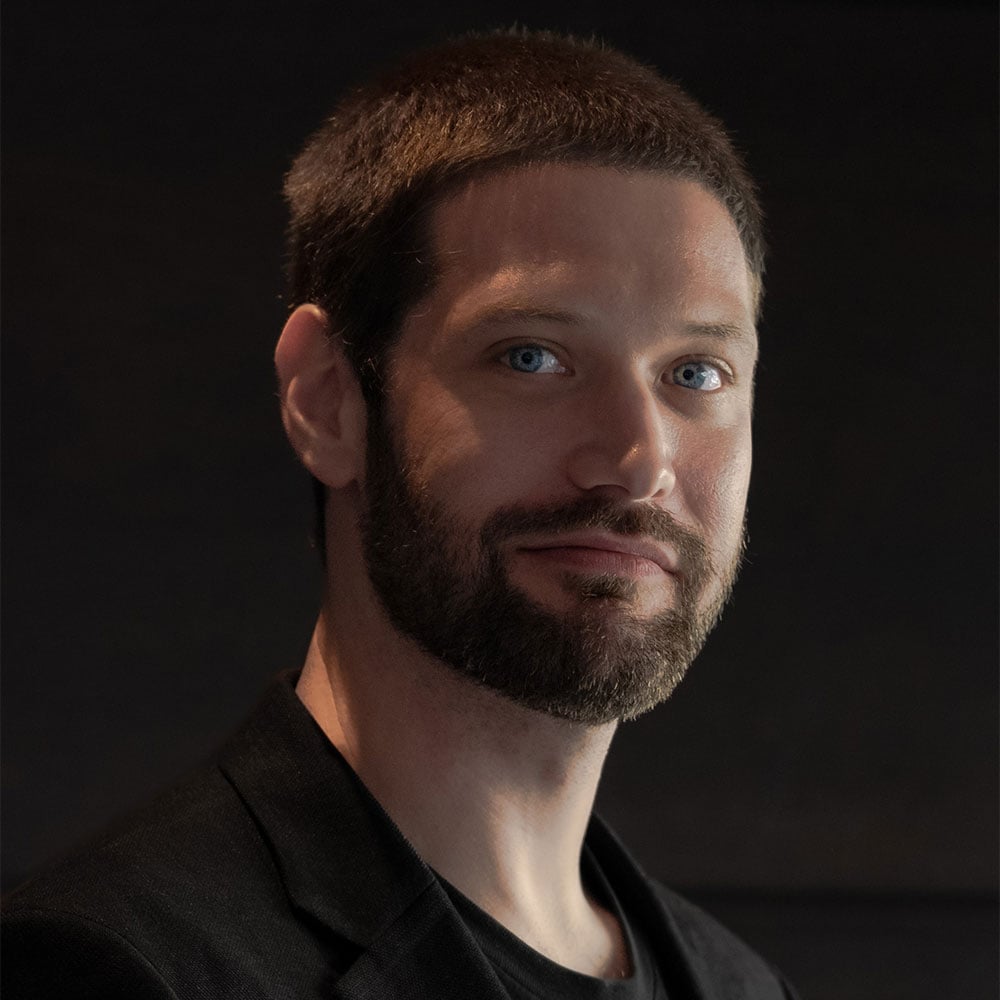
Zach Rattner
AI Founder & CTO with physical industry customers in 20+ countries
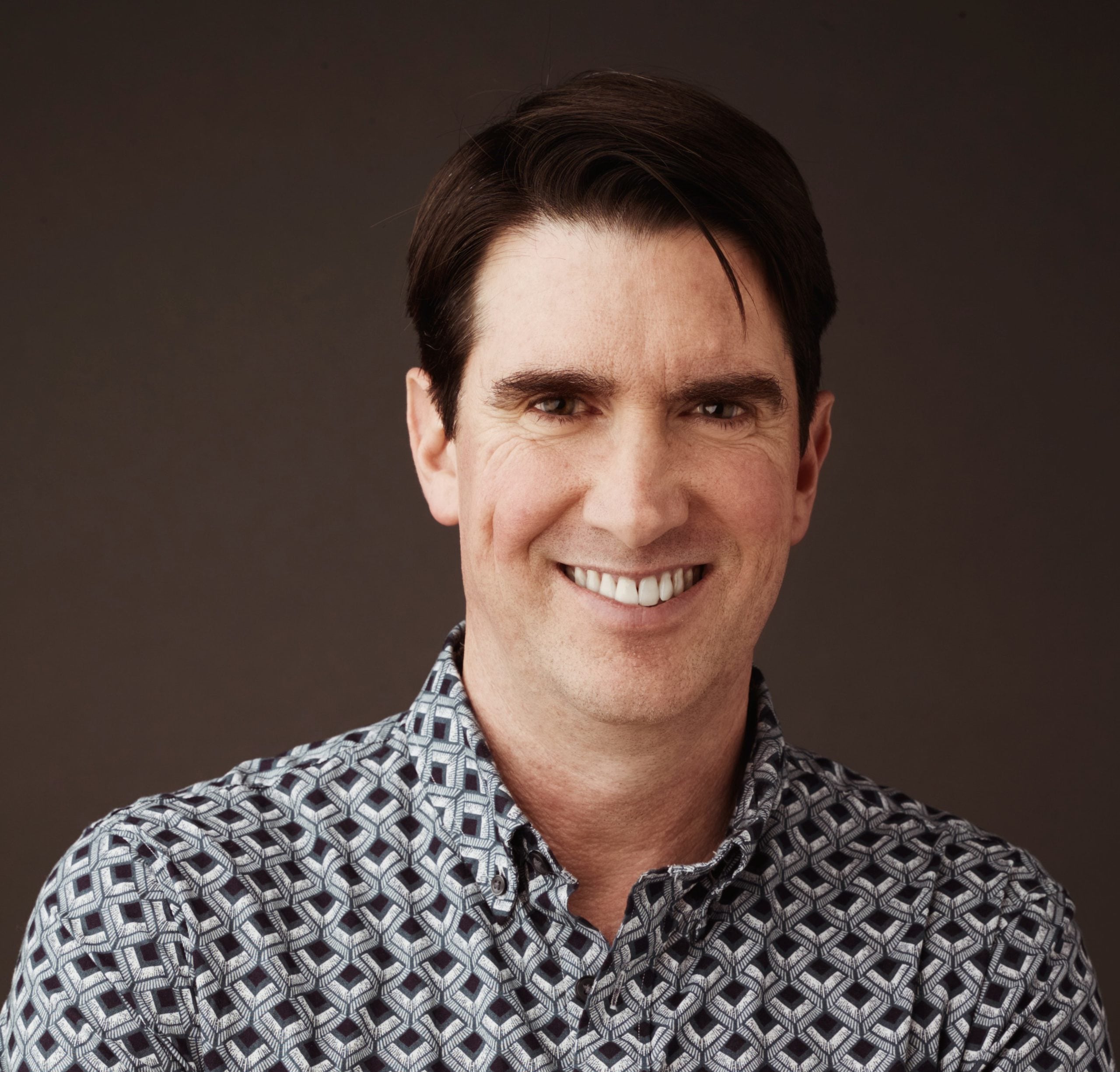
Adam Cheyer
Co-Creator of Siri and 5x founder at the intersection of AI and human potential
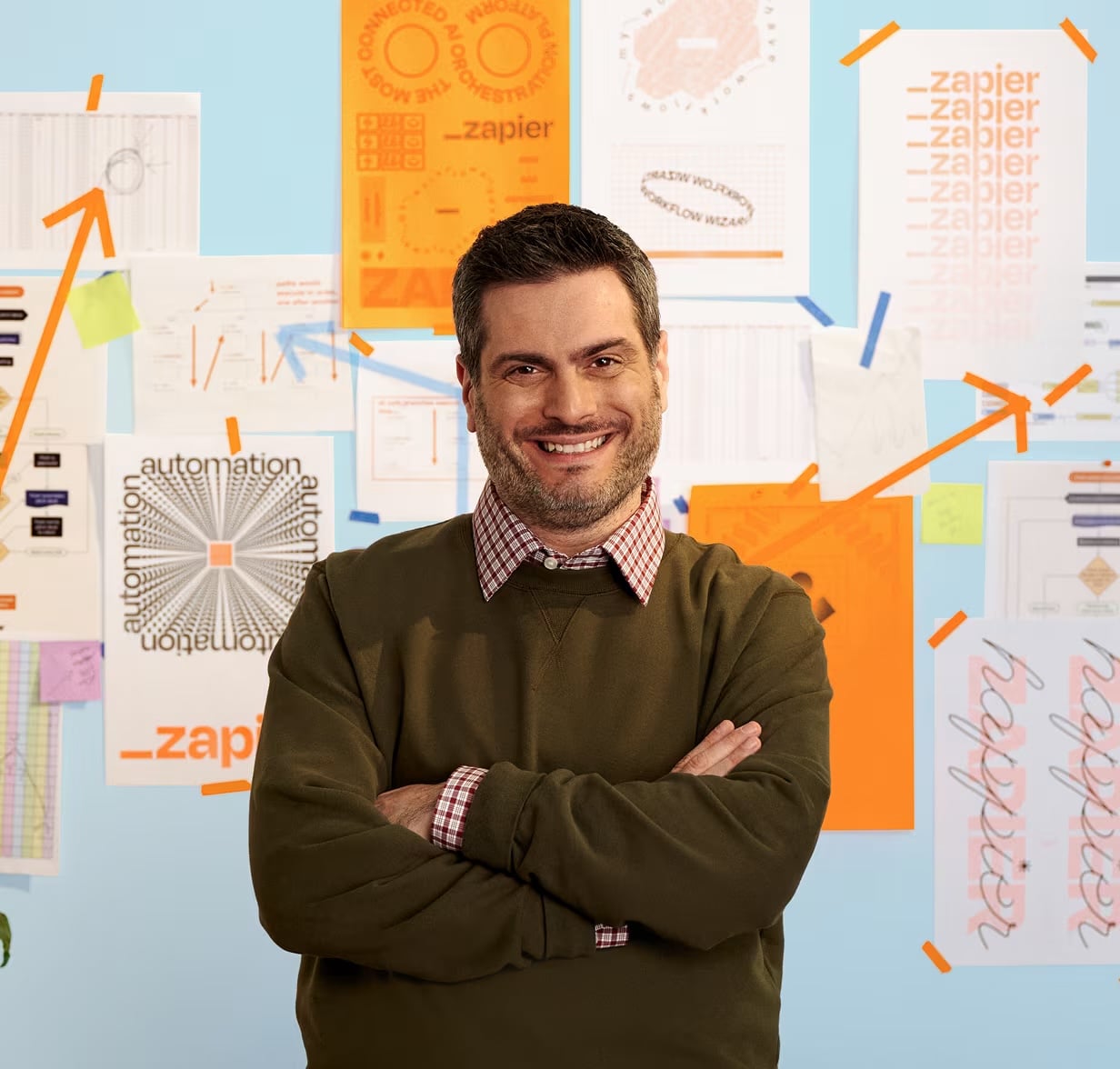
Philip Lakin
Director of AI Transformation at Zapier and the operator companies call when AI adoption stalls, with 1,000+ hours turning enterprise teams from AI-curious to AI-capable
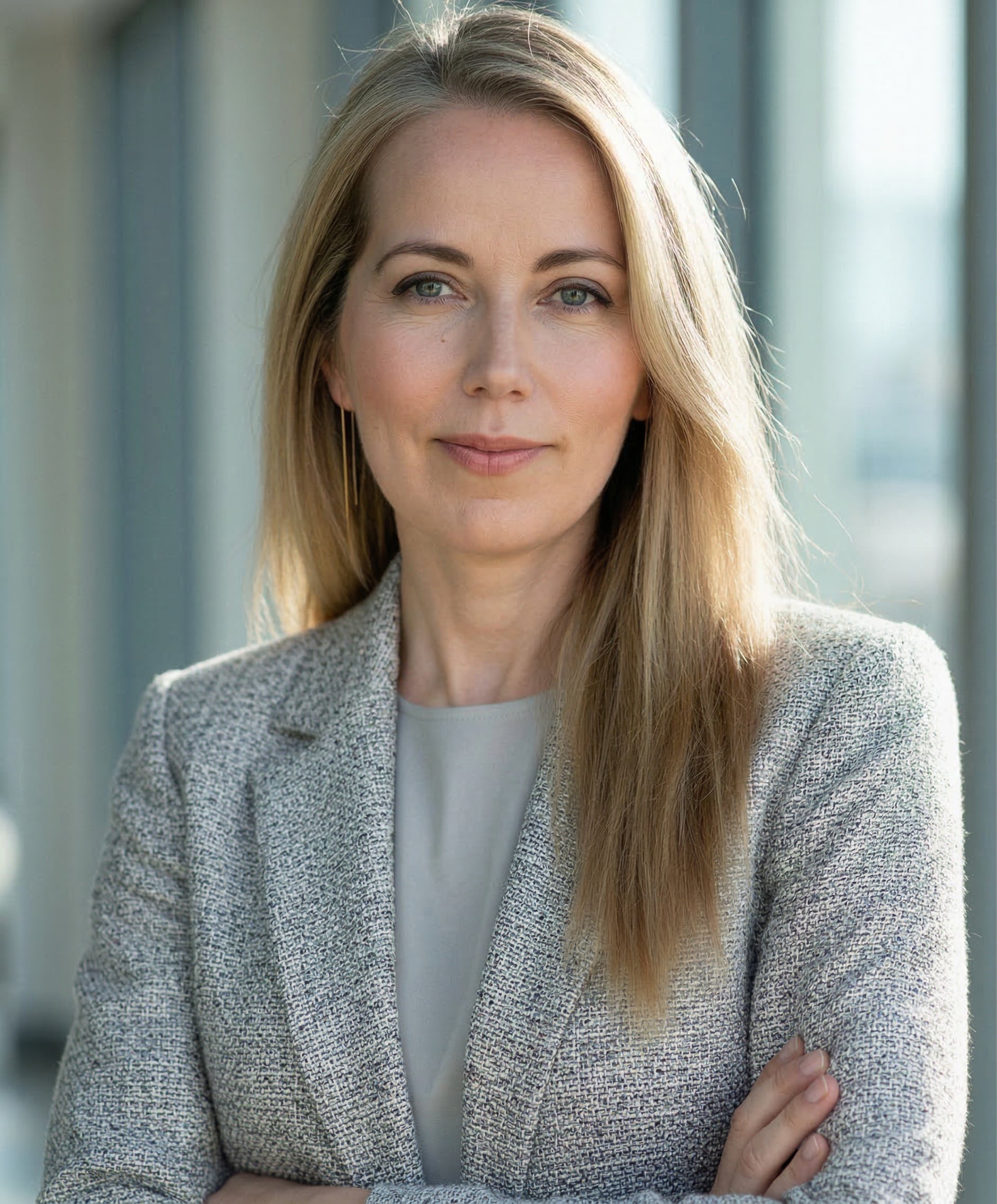
Maya Ackerman
CEO of WaveAI & AI Professor at Santa Clara University
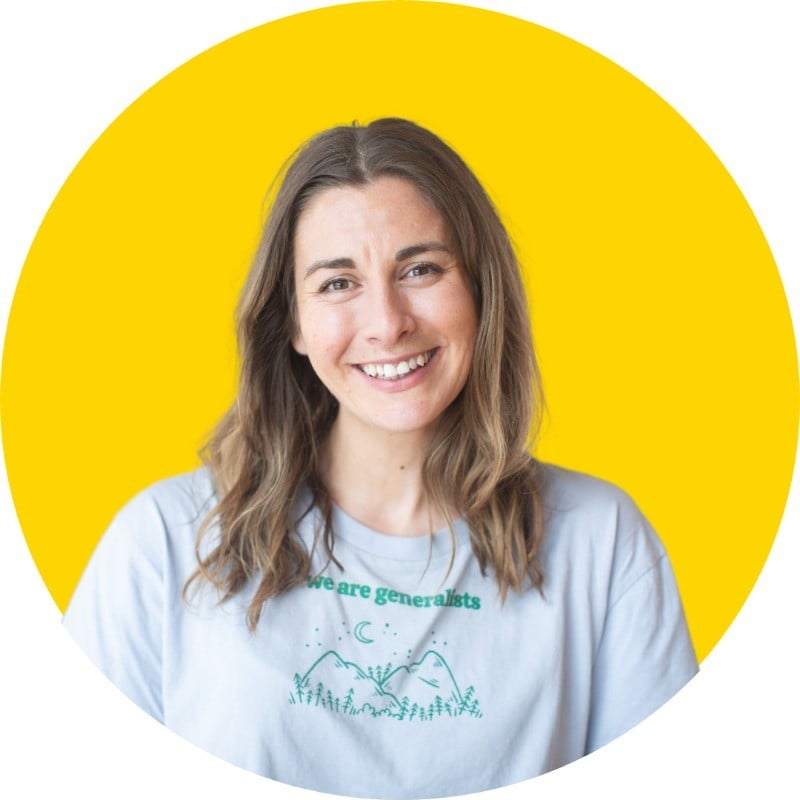
Milly Tamati
Founder of Generalist World — built a 150,000-person global movement from a Scottish island with 191 residents
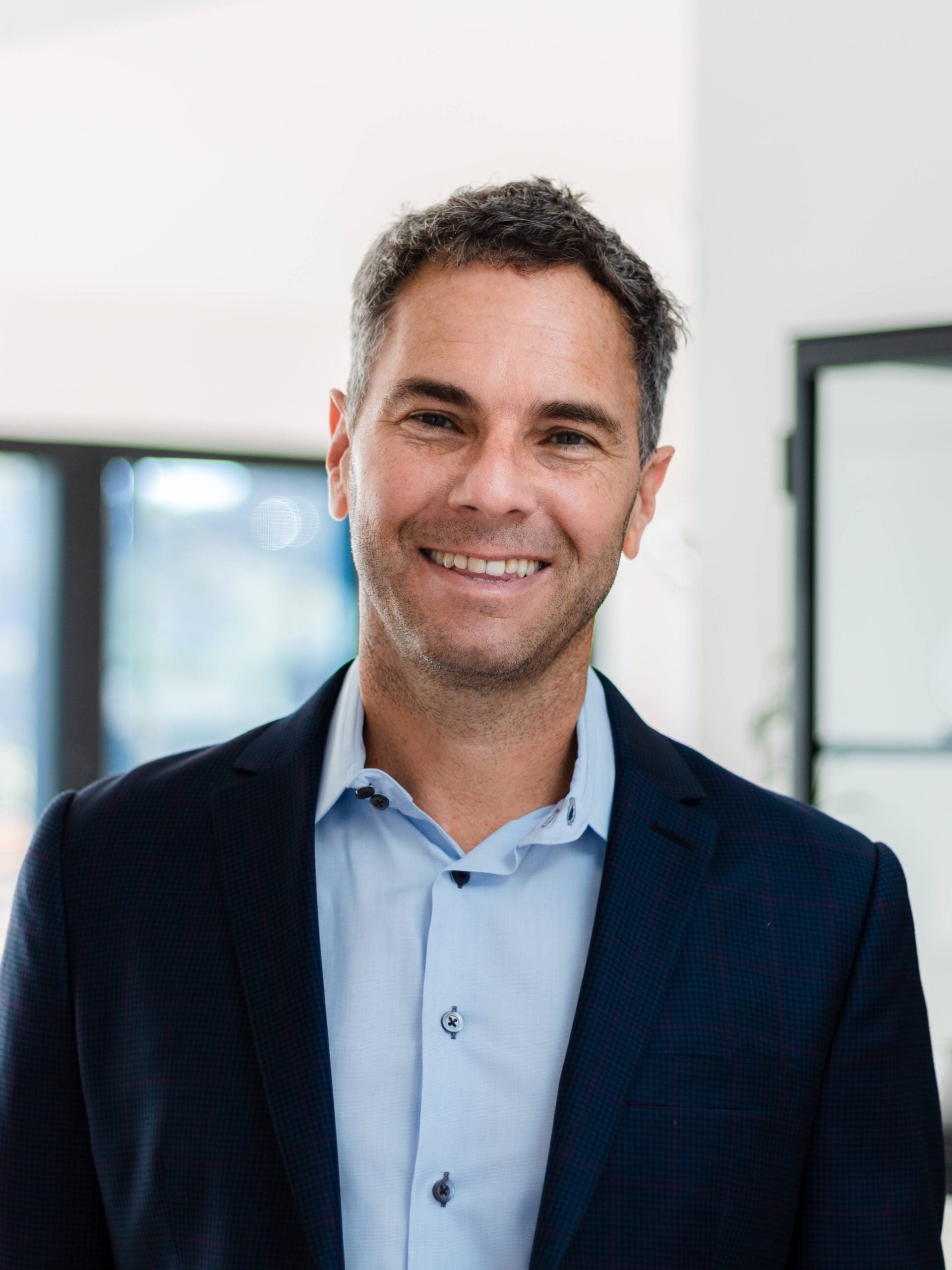
Chris Barton
Founder & Creator of Shazam, Entrepreneur, Inventor, and Tech Investor
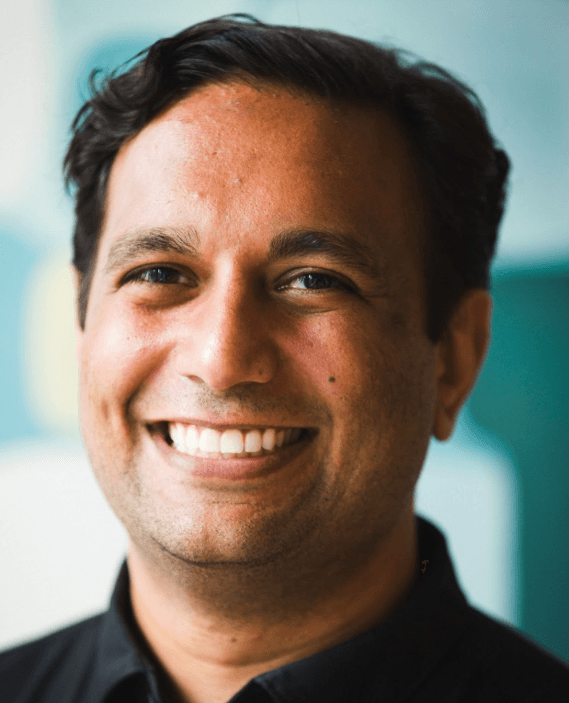
Mo Tiwari
OpenAI researcher, Stanford CS PhD bridging cutting-edge AI with real-world impact

Drue Kataoka
Visual AI pioneer who has keynoted at Davos, Milken Global, the Vatican Academy of Pontifical Sciences, and the world's most prestigious stages

Abigail Posner
Anthropologist & Former Director, U.S. Creative Works at Google | Becoming Irreplaceable in an AI World
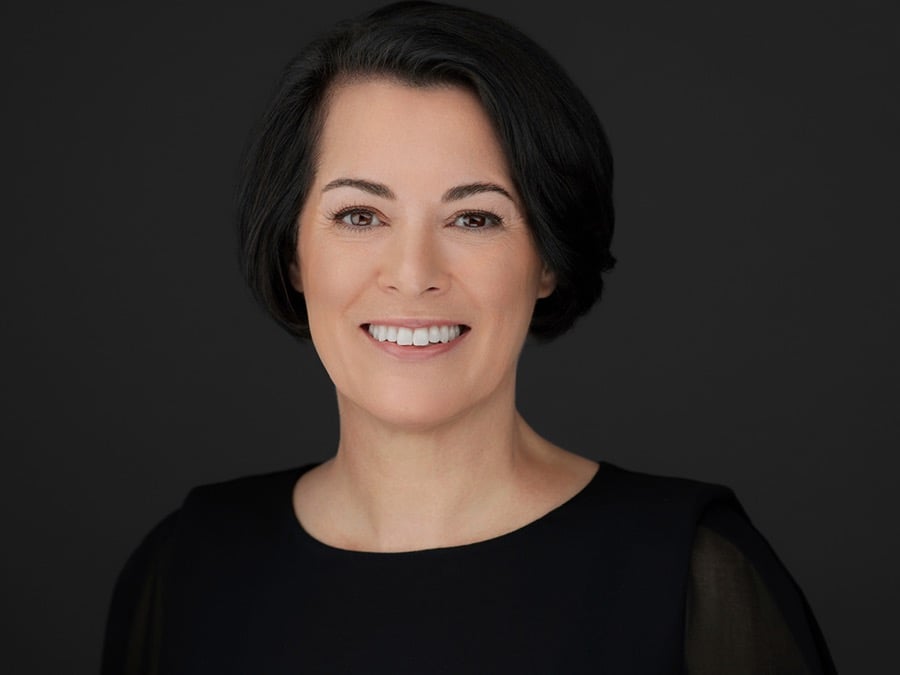
Nicole Malachowski
First Woman Thunderbird Pilot | Combat Veteran, Fighter Squadron Commander & Former White House Adviser
Innovation has become the most over-used word in corporate keynotes. Every speaker promises to teach your audience how to "think outside the box" — and most of them are repeating frameworks from someone else's book. The speakers we represent for innovation events are different: they built the things they're talking about. Siri. Shazam. WaveAI. Yembo. Generalist World. Their stories are not theoretical; they are case studies from products your audience uses every day.
What separates a real innovation speaker from a motivational talk
The bar for an innovation keynote speaker should be this: when MIT and Stanford experts said your idea was impossible, did you build it anyway? Chris Barton did, with Shazam. Adam Cheyer did, with Siri. Maya Ackerman has been doing human-centered generative AI since 2015 — years before the category existed. The opposite version — speakers who recap headlines and call it innovation — is what's saturating the market right now. If your audience is sophisticated, they will spot the difference inside the first five minutes.
Choosing between an AI speaker and an innovation speaker
The terms overlap, but they're not the same. An AI keynote speaker goes deep on the technology — Mo Tiwari, a Staff Research Scientist at Google and ex-OpenAI member of technical staff, is the kind of speaker for that brief. An innovation speaker is broader: they're talking about the process, the resilience, and the founding-team dynamics that turn a hard problem into a shipping product. Adam Cheyer and Chris Barton both span this range. If you want one talk that covers both the technical breakthrough and the human story behind it, those are the names to ask about.
When innovation speakers work best
Innovation summits, R&D offsites, product-team kickoffs, and customer conferences where the host wants to project forward-thinking credibility. They also land well at sales kickoffs if the framing is right — a Shazam story about hearing "no" from technical experts a thousand times before launch maps directly to what a sales team navigates every quarter. Where innovation speakers don't fit: pure motivational events without a strategic outcome, or audiences expecting tactical execution playbooks. For those, look at our peak performance or future-of-work rosters instead.
How to get the most out of an innovation keynote
Three things make these talks land harder. First, customization: every speaker on our roster does a prep call with the host to understand the audience and event goals. Second, format: a 45-minute keynote is the standard, but pairing it with a moderated fireside chat or executive Q&A often delivers higher ROI for leadership audiences. Third, lead time: the speakers most in demand for AI and innovation topics book 6 to 9 months out. If your event is in Q1 or Q2 of next year, start the conversation now.
If you're booking an innovation keynote speaker for a 2026 corporate event, the question to start with is not "who's famous" — it's "who actually built something your audience already uses?" That filter narrows the field fast. Reach out and tell us about your event; we'll match you with two or three speakers from our roster whose work maps to your specific goals.
Frequently Asked Questions
What is an innovation keynote speaker?
An innovation keynote speaker is someone who has personally built or led a breakthrough product, technology, or organization, and now teaches audiences how to think about doing the same. The strongest innovation speakers come from operator backgrounds — founders, inventors, CTOs — rather than commentary or punditry. They speak from direct experience about building under uncertainty, navigating technical impossibility, and shipping when conventional wisdom says it can't be done.
How do innovation keynote speakers differ from leadership speakers?
Leadership speakers focus on building and managing teams, navigating change, and developing executives. Innovation speakers focus on the creative-technical process of building something that didn't exist before — the messy first version, the failed prototypes, the moment the team almost shut it down. The same speaker can play both roles (Adam Cheyer is comfortable in either), but the framing of the keynote is different. For a leadership offsite, ask for the leadership story. For an R&D kickoff or product team summit, ask for the innovation story.
How much do innovation keynote speakers cost?
Innovation keynote speakers from operator backgrounds typically range from $15,000 to $75,000 for a 45-minute keynote. Founders of well-known products (Shazam, Siri-class) sit in the upper half of that range; emerging AI-founder voices and CTOs of high-growth companies sit in the lower half. Custom workshops, multi-day formats, and international travel add to the base fee. We share specific fee ranges as soon as we know the event details and budget.
When should I book an innovation keynote speaker?
For top-tier innovation speakers — Siri co-creator, Shazam founder, that level — start the conversation 6 to 12 months ahead. For emerging AI-founder voices and CTOs, 3 to 6 months is usually enough. The two windows that fill earliest each year are SKO season (January through March) and the September-through-November conference rush. If your event lands in either of those windows, double the lead time you'd normally plan for.
Which speakers does Silicon Valley Speakers recommend for innovation topics?
Our innovation roster centers on builders: Adam Cheyer (co-creator of Siri, ex-VP AI Experience at Airbnb), Chris Barton (inventor of Shazam, now building Guard AI), Zach Rattner (CTO of Yembo), Maya Ackerman (CEO of WaveAI), Mo Tiwari (Staff Research Scientist at Google, ex-OpenAI), Drue Kataoka (visual generative AI authority who has keynoted Davos and the Vatican), and Milly Tamati (founder of Generalist World). We match the specific speaker to your audience and goals during a 20-minute discovery call.
Who are the top innovation speakers for AI conferences?
For AI-conference innovation keynotes specifically, the strongest fits on our roster are Adam Cheyer (co-creator of Siri, ex-VP AI Experience at Airbnb — the innovation-meets-AI story at consumer scale), Chris Barton (inventor of Shazam — the "impossible product" framing that opens AI summits well), Zach Rattner (CTO of Yembo, shipping AI in regulated industries — the practitioner perspective on AI innovation), and Mo Tiwari (Staff Research Scientist at Google, ex-OpenAI — the frontier-research view for technical AI audiences). The right pick depends on whether the audience needs founder credibility, operator credibility, or research credibility.
Ready to Book an Innovation Speaker?
Tell us about your event and we'll recommend the perfect speaker.
Start Your Inquiry