Entrepreneurship Keynote Speakers for 2026
Founders who went from zero to scale — and can tell an audience exactly how the hard parts felt. Startup stories with real numbers attached.
Find Your SpeakerWhy Book an Entrepreneurship Speaker?
- Hear Adam Cheyer walk through what it took to start five companies across four decades — from Siri (2B+ devices) to the earliest AI startups when the field barely existed
- Get the zero-to-scale founder view from Chris Barton, who founded Shazam and spent years building before anyone believed the technology was possible — 2B+ downloads by the time Apple acquired it
- Learn what running a venture-backed AI startup looks like day-to-day from Zach Rattner, who co-founded Yembo and scaled it to 20+ countries while managing a regulated-industry sales cycle
- See how Milly Tamati built Generalist World, a 100,000-person global founder and professional community, bootstrapped from a Scottish island of 178 people — without venture capital
Common Event Types
Entrepreneurship Speakers
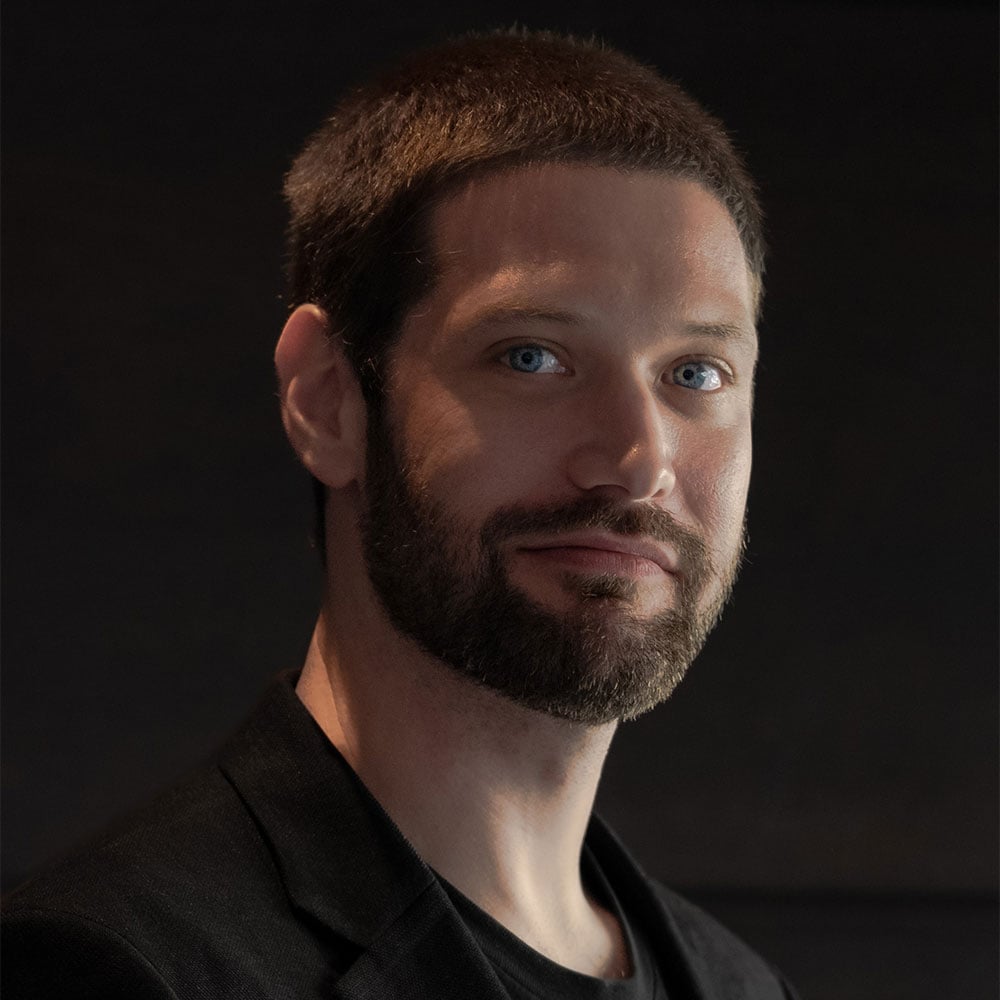
Zach Rattner
AI Founder & CTO with physical industry customers in 20+ countries
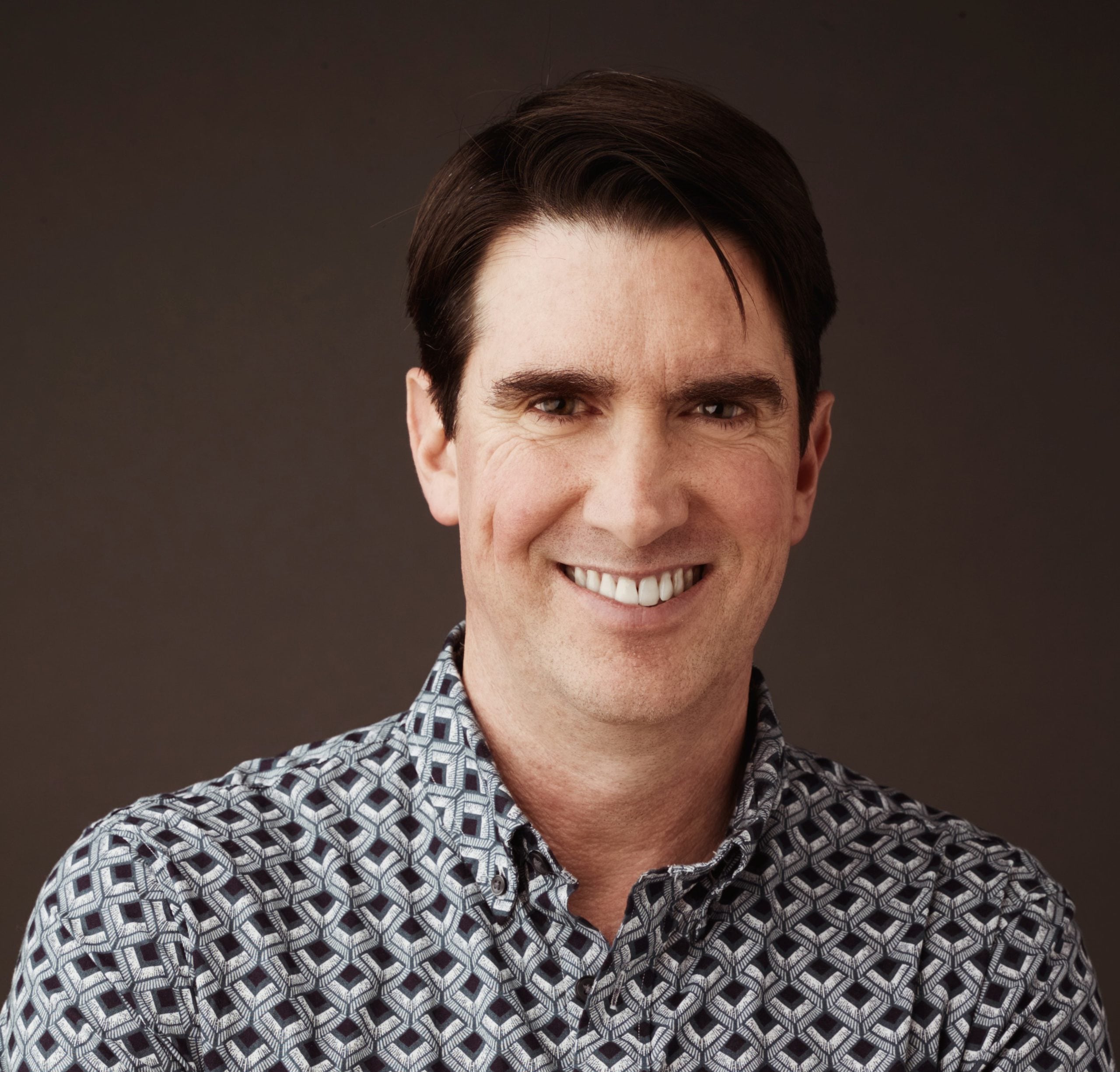
Adam Cheyer
Co-Creator of Siri and 5x founder at the intersection of AI and human potential
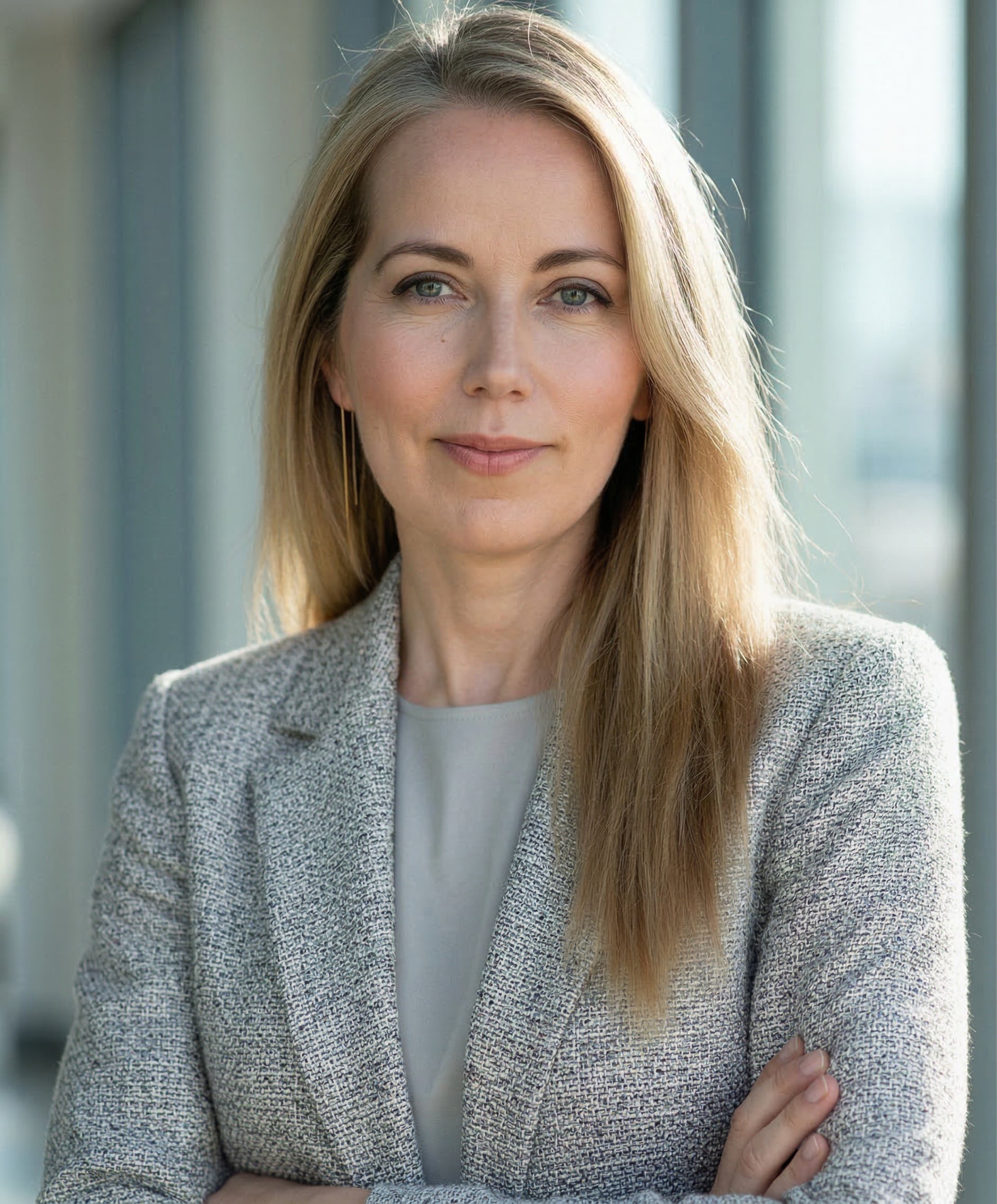
Maya Ackerman
CEO of WaveAI & AI Professor at Santa Clara University
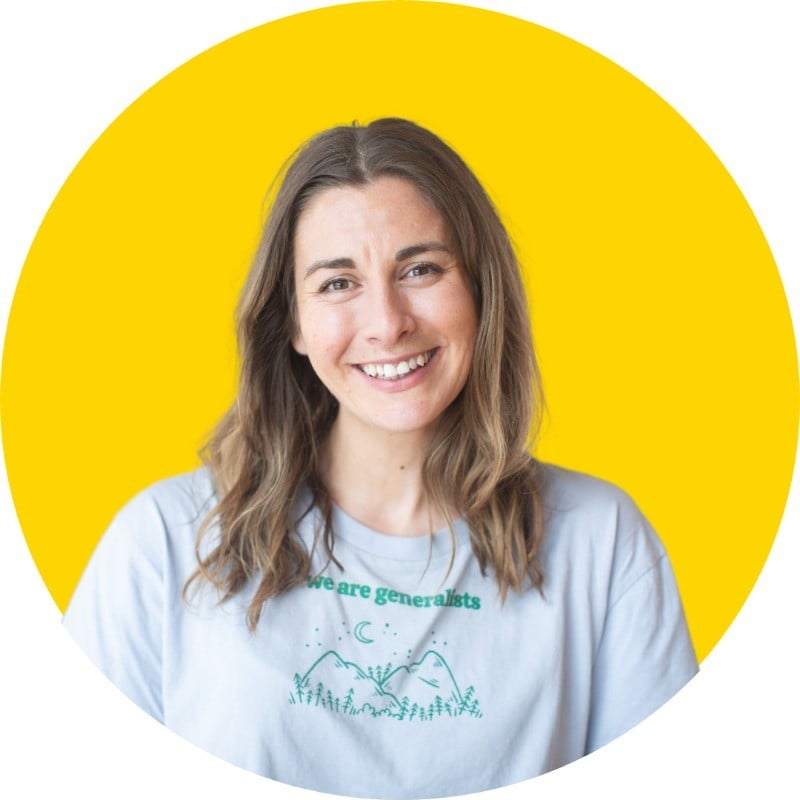
Milly Tamati
Founder of Generalist World — built a 150,000-person global movement from a Scottish island with 191 residents
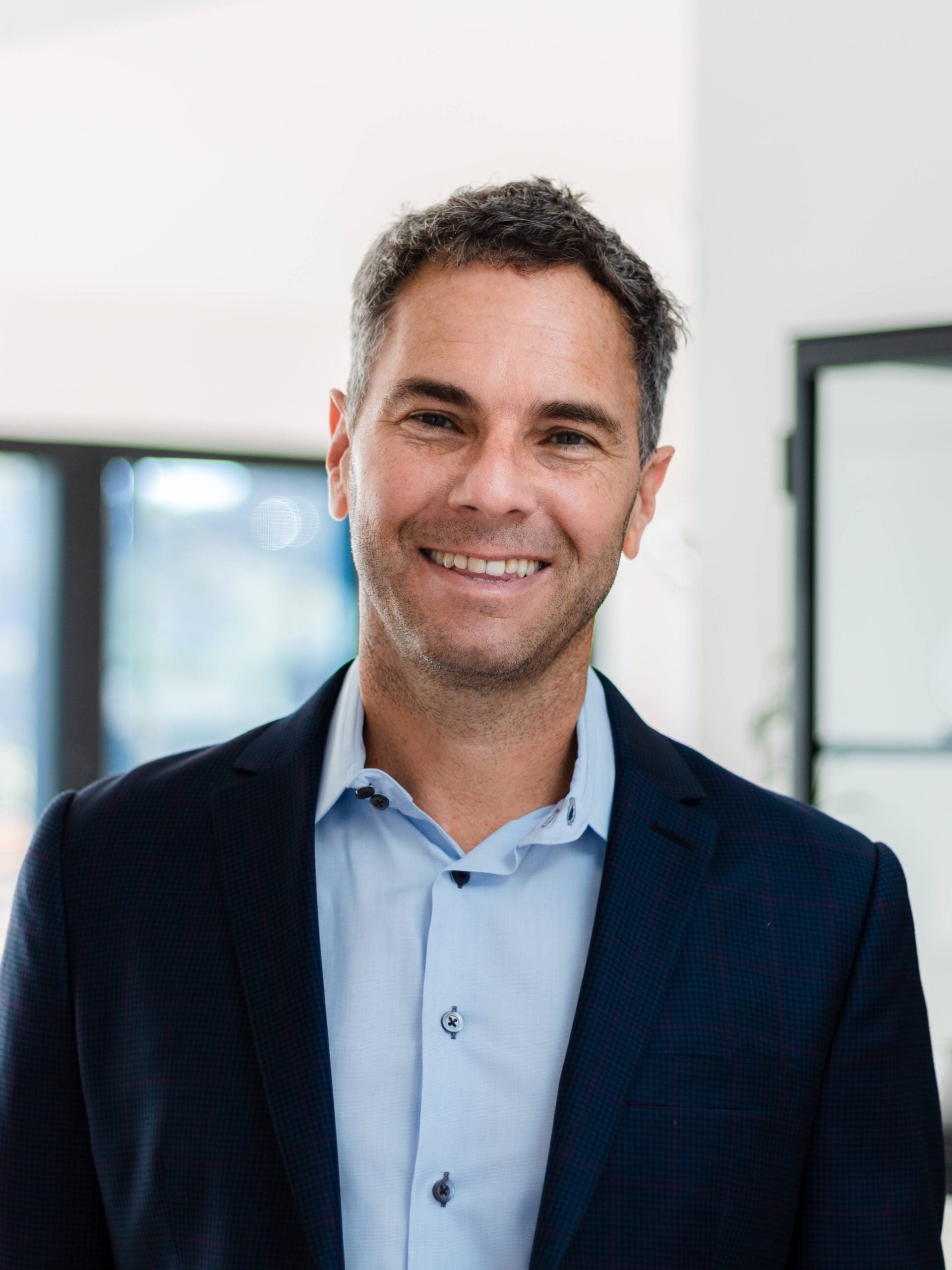
Chris Barton
Founder & Creator of Shazam, Entrepreneur, Inventor, and Tech Investor

Drue Kataoka
Visual AI pioneer who has keynoted at Davos, Milken Global, the Vatican Academy of Pontifical Sciences, and the world's most prestigious stages
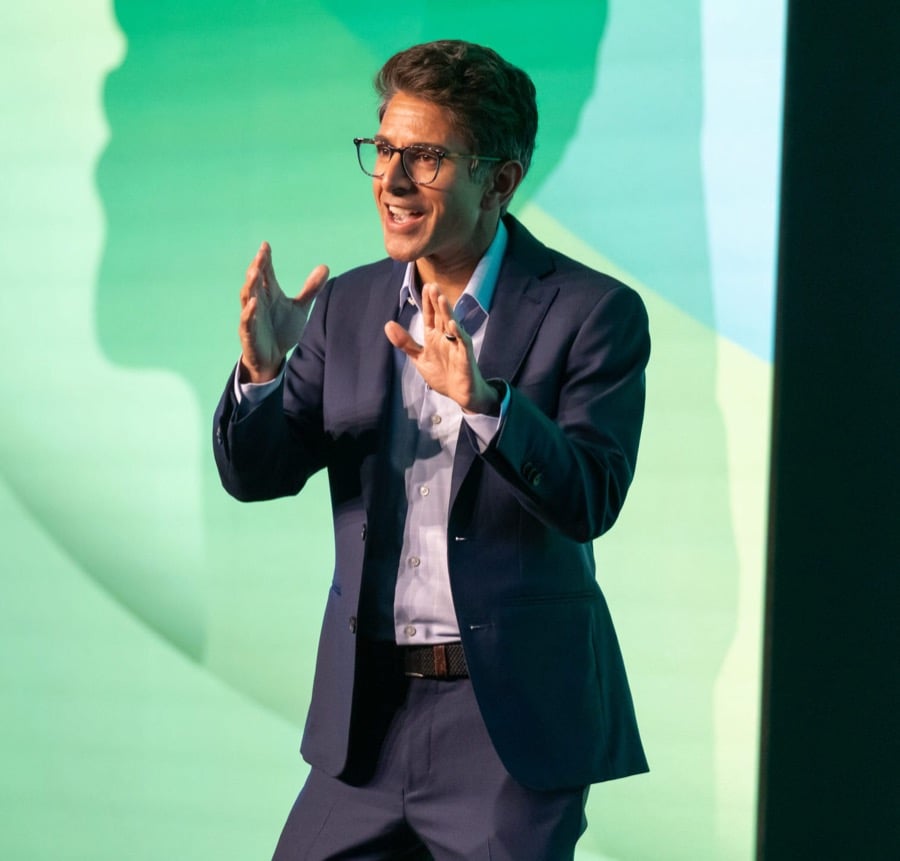
Suneel Gupta
Founding CEO of RISE & Bestselling Author of Backable | Harvard Medical School Visiting Scholar
The best entrepreneurship keynote speakers are founders who actually built and scaled the companies they talk about, not commentators narrating other people's wins. For 2026 the founder speakers we place most often are Adam Cheyer (co-creator of Siri, used by 500M+ people, and a five-time founder), Chris Barton (founder of Shazam, which passed 2 billion downloads before Apple acquired it), Zach Rattner (co-founder and CTO of Yembo, running an AI platform in 20+ countries), and Milly Tamati (founder of Generalist World, a 100,000-person community she built from a Scottish island of 178 people). Each one tells a specific operator story an audience can act on rather than a highlight reel.
What makes a great entrepreneurship keynote speaker
The difference between a talk that lands and one your audience forgets by lunch is whether the speaker lived the decision they describe. A founder who raised the capital and shipped the product through a near-death stretch carries weight a career commentator cannot borrow. When you evaluate a candidate, ask for the talk outline and check that it names real numbers and real setbacks instead of generic startup principles. Chris Barton's Shazam story works because it walks an audience inside the years when the technology looked impossible and the company nearly didn't survive, then pulls the lesson out of that specific moment.
Matching the founder to your audience
The right founder depends on who is in the room. For a senior tech or AI audience, Adam Cheyer brings the Siri founder-operator view from someone who has started five companies. For a broad business or startup-community audience, Chris Barton's Shazam story travels the widest because almost everyone has used the product. For events at AI, fintech, or other regulated-industry companies, Zach Rattner speaks to the reality of selling and scaling a platform where the buyer is skeptical and the cycle is long. For early-stage and founder-journey audiences, Milly Tamati shows what bootstrapping a global community looks like without venture funding.
When to book a founder speaker for 2026
Founders who still run companies have the tightest calendars on any roster, so the booking window matters more here than for full-time speakers. Three to six months ahead is the safe range for most events, and earlier for fall conference season and Q1 kickoffs when founder availability tightens. If you have a specific founder in mind, start the conversation as soon as your date is set rather than waiting until the agenda is final.
If you're booking an entrepreneurship speaker for 2026, start with the outcome you want your audience to walk away with rather than the biggest name available. Tell us about your event and the stage your company or community is in, and we'll come back within 24 hours with two or three founders whose experience maps to your goal.
Frequently Asked Questions
What is an entrepreneurship keynote speaker?
An entrepreneurship keynote speaker is a founder who has actually built and scaled a company, booked to tell that story and pull out lessons an audience can use. The ones worth booking speak from operator experience rather than theory — they have raised the capital, shipped the product, and navigated the setbacks they describe, so the talk carries weight a career commentator cannot match.
How much do entrepreneurship speakers cost in 2026?
Founder and entrepreneurship speakers typically range from $10,000 to $75,000 for a 45-minute keynote in 2026. Founders of household-name products sit in the upper half of that range; emerging operator voices sit lower. Fireside-chat and workshop formats change the fee. We share specific ranges once we know your event format and audience.
When should I book an entrepreneurship speaker?
Three to six months ahead for most events. Founders who also run companies have tight calendars, so the earlier you lock a date the better, especially for fall conference season and Q1 kickoffs.
Who are the top entrepreneurship speakers to consider for my event?
For 2026 the founder speakers we most often place are Adam Cheyer (co-creator of Siri, used by 500M+ people, and a five-time founder), Chris Barton (founder of Shazam, which reached 2B+ downloads before Apple acquired it), Zach Rattner (co-founder and CTO of Yembo, with an AI platform running in 20+ countries), and Milly Tamati (founder of Generalist World, a 100,000-person movement she built from a Scottish island of 178 residents). Each maps to a different audience and stage of the founder journey.
What makes a great entrepreneurship keynote?
A specific, hard-won story rather than generic startup advice. The talks that land take an audience inside one real decision — the moment Shazam looked impossible, the choice to build Siri, the bet that scaled a company — and draw a lesson the audience can apply to their own bet. Ask any speaker for the talk outline and check that it names real numbers and real setbacks, not platitudes.
What's the difference between an entrepreneurship keynote and an innovation keynote?
An entrepreneurship keynote centers on the founder journey — raising capital, hiring the first team, surviving the near-death stretch, and scaling to a real customer base. The story is personal and sequential. An innovation keynote is broader: it covers how breakthrough ideas happen inside any kind of organization, not just startups. If the audience is founders, investors, or students launching their own companies, book an entrepreneurship speaker. If the audience is employees and managers inside an established company trying to move faster, book an innovation speaker. Several speakers on our roster (Adam Cheyer, Chris Barton) deliver both, but the talk structure is different — tell us which audience you have and we'll point you to the right framing.
Which entrepreneurship speaker does Silicon Valley Speakers recommend?
It depends on your audience. For a mixed-business or startup-community crowd, Chris Barton's Shazam story lands the widest. For senior tech audiences, Adam Cheyer brings the Siri founder-operator view. Submit your event details and we will respond within 24 hours with two or three names matched to your audience and goals.
Related Topics
Ready to Book an Entrepreneurship Speaker?
Tell us about your event and we'll recommend the perfect speaker.
Start Your Inquiry