The Best Future of Work Speakers for 2026
Visionaries redefining how we work, collaborate, and build organizations. Insights on remote work, AI augmentation, and the evolving workplace.
Find Your SpeakerWhy Book a Future of Work Speaker?
- Understand AI augmentation in practice from Adam Cheyer, co-creator of Siri and former VP of AI Experience at Airbnb — where he worked to turn the platform into a generative-AI travel concierge used by millions
- Get the shipping-AI-in-production view from Zach Rattner, CTO of Yembo, on what's actually working when AI meets regulated industries like insurance and finance
- Hear the human-centered AI principles Maya Ackerman (CEO of WaveAI, AI Professor at Santa Clara) has been pioneering since 2015 — before generative AI was a category
- See what bootstrapped community-building looks like in the AI era from Milly Tamati, founder of Generalist World — a 100,000-person global community built from a Scottish island of 178 residents
Common Event Types
Future of Work Speakers
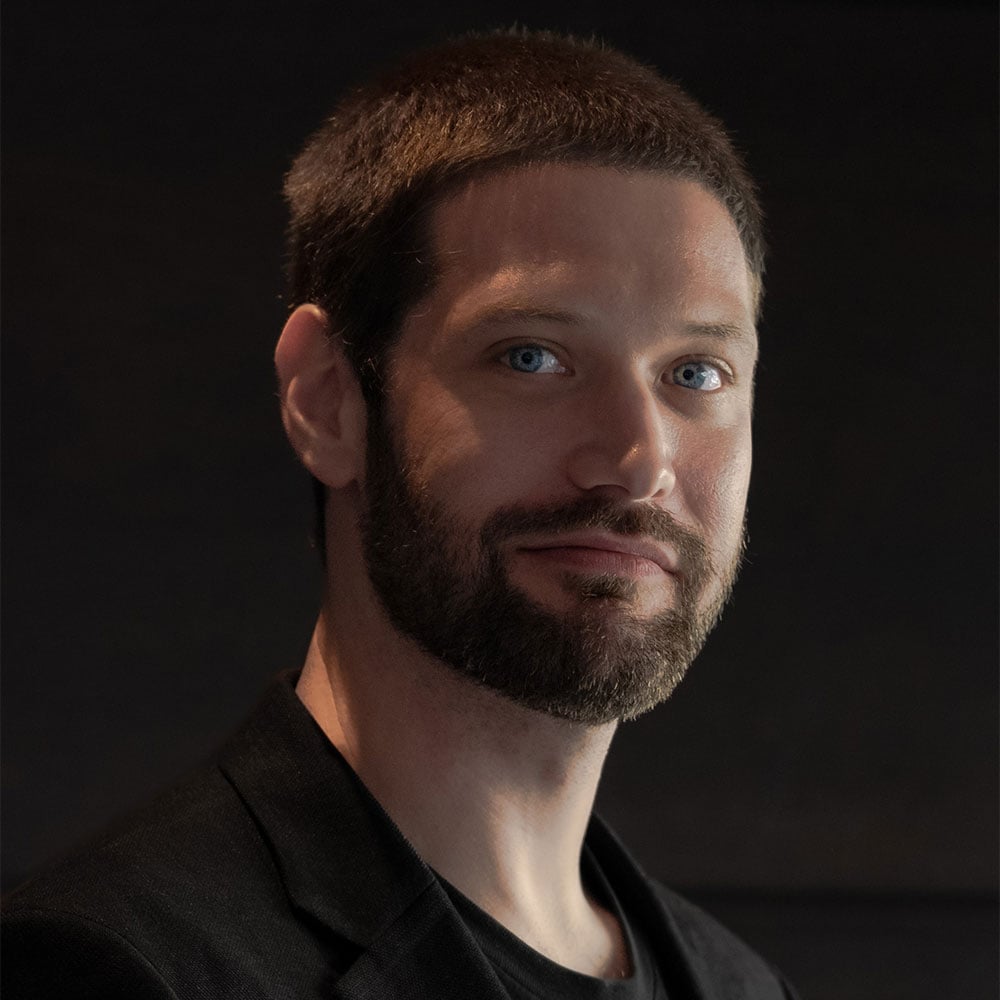
Zach Rattner
AI Founder & CTO with physical industry customers in 20+ countries
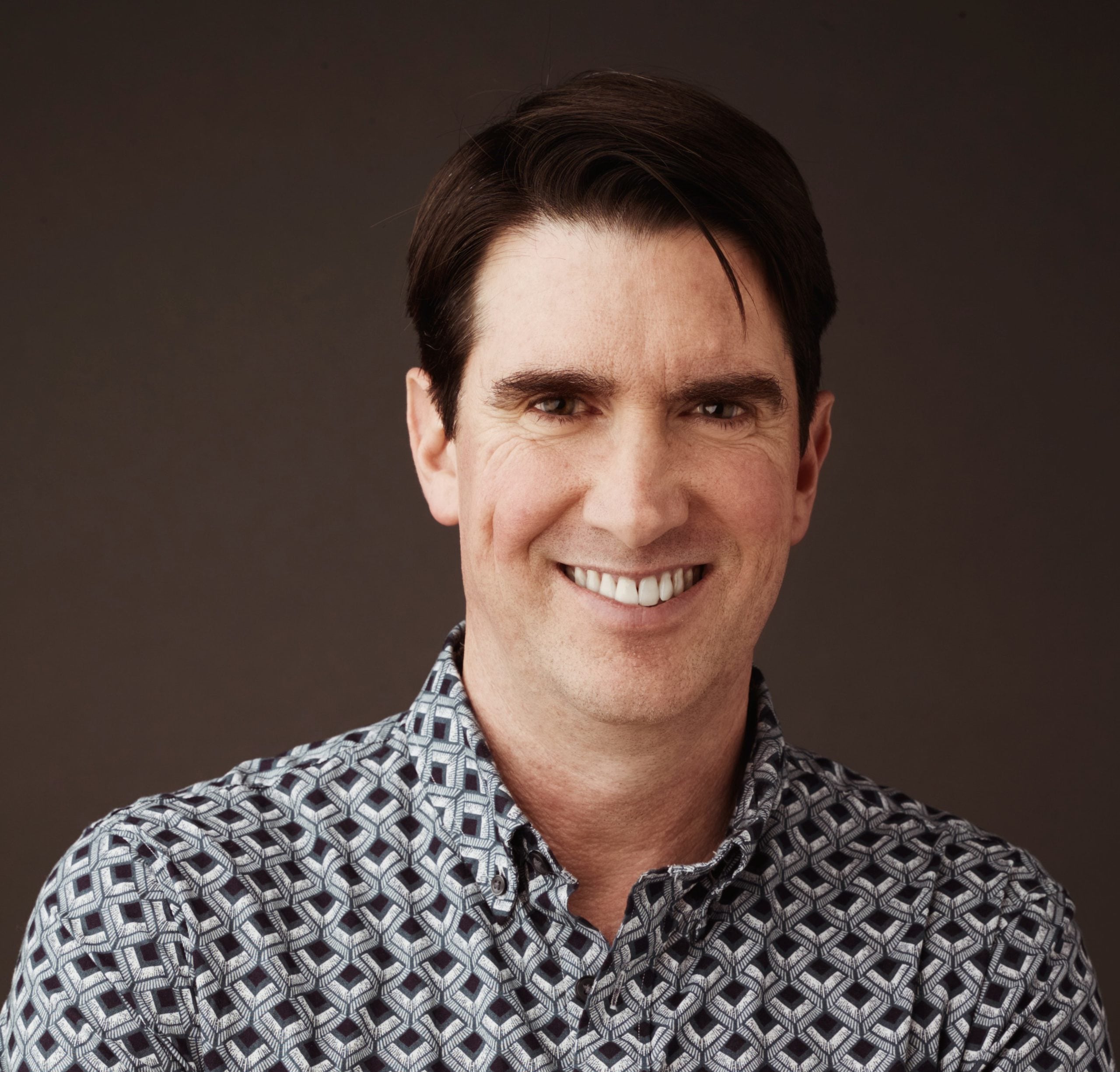
Adam Cheyer
Co-Creator of Siri and 5x founder at the intersection of AI and human potential
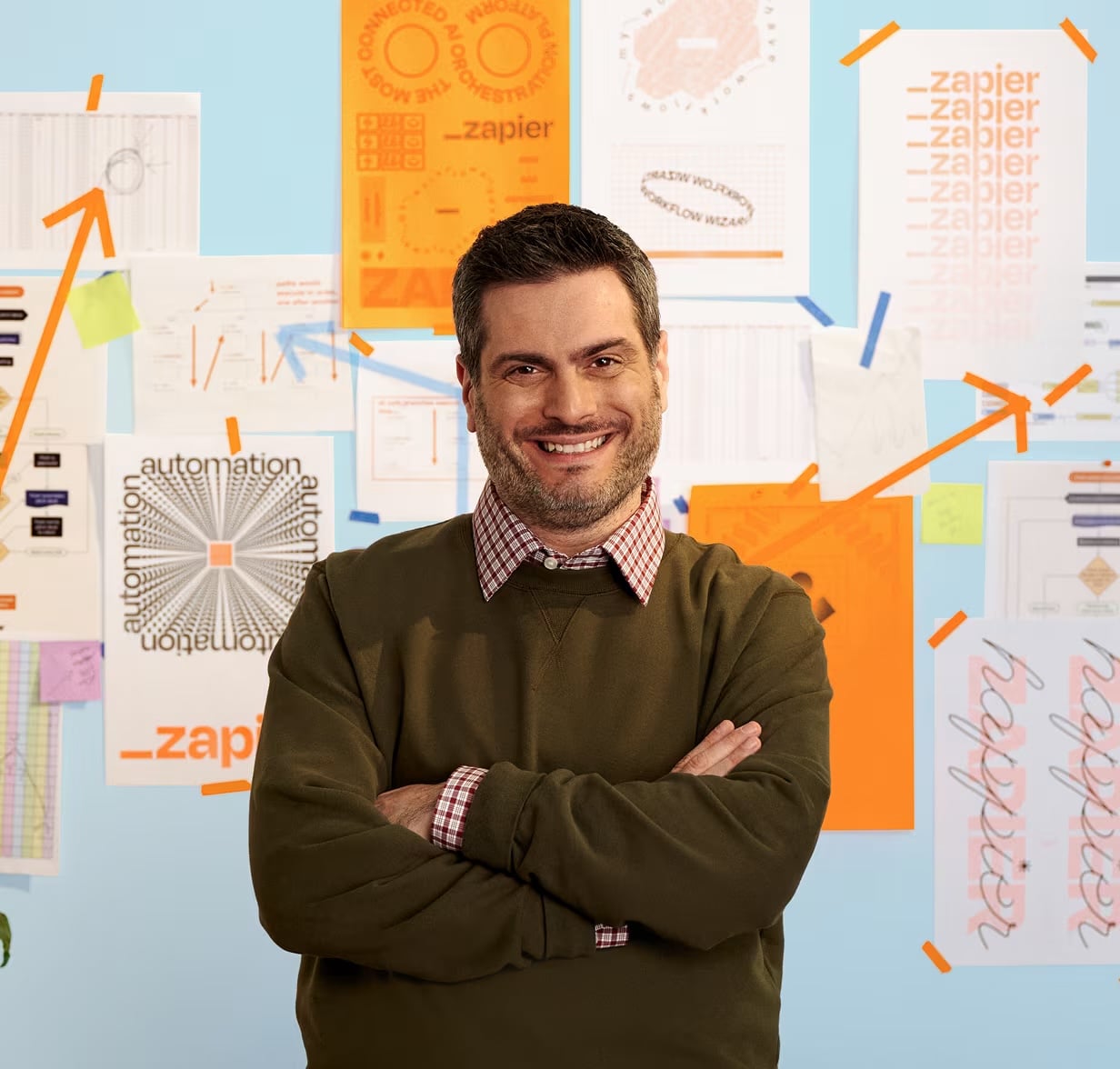
Philip Lakin
Director of AI Transformation at Zapier and the operator companies call when AI adoption stalls, with 1,000+ hours turning enterprise teams from AI-curious to AI-capable
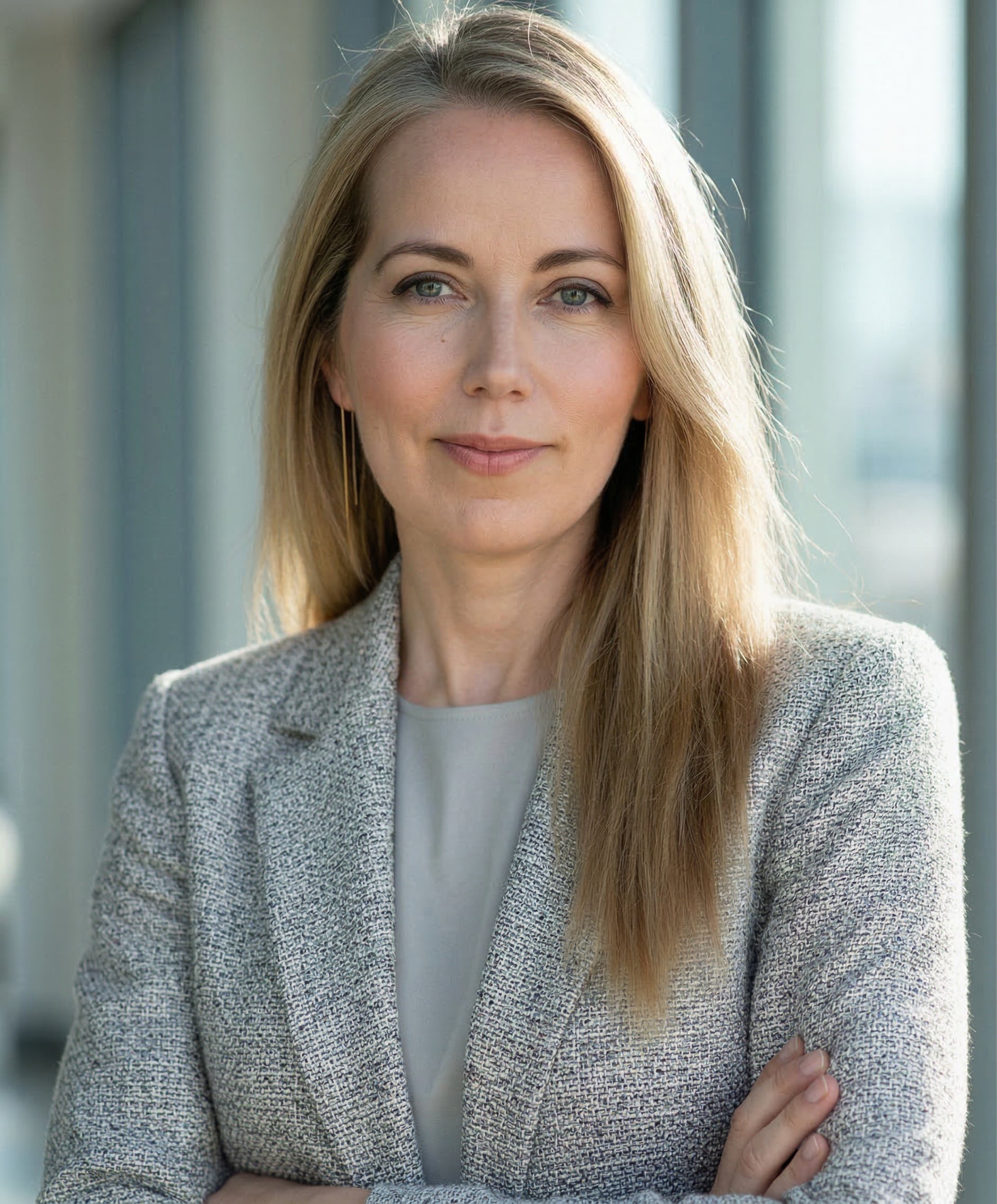
Maya Ackerman
CEO of WaveAI & AI Professor at Santa Clara University
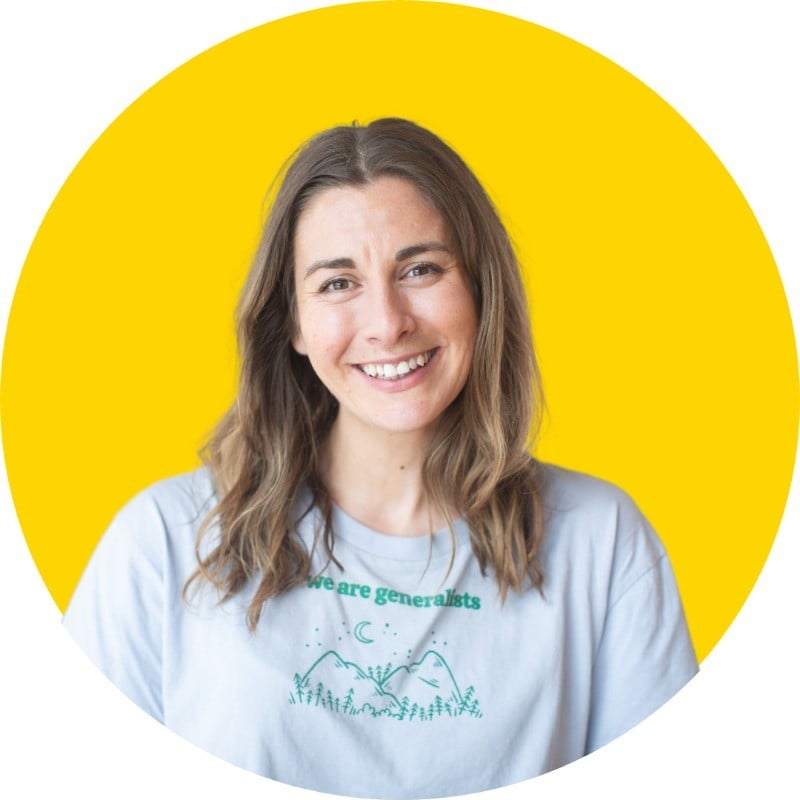
Milly Tamati
Founder of Generalist World — built a 150,000-person global movement from a Scottish island with 191 residents

Abigail Posner
Anthropologist & Former Director, U.S. Creative Works at Google | Becoming Irreplaceable in an AI World
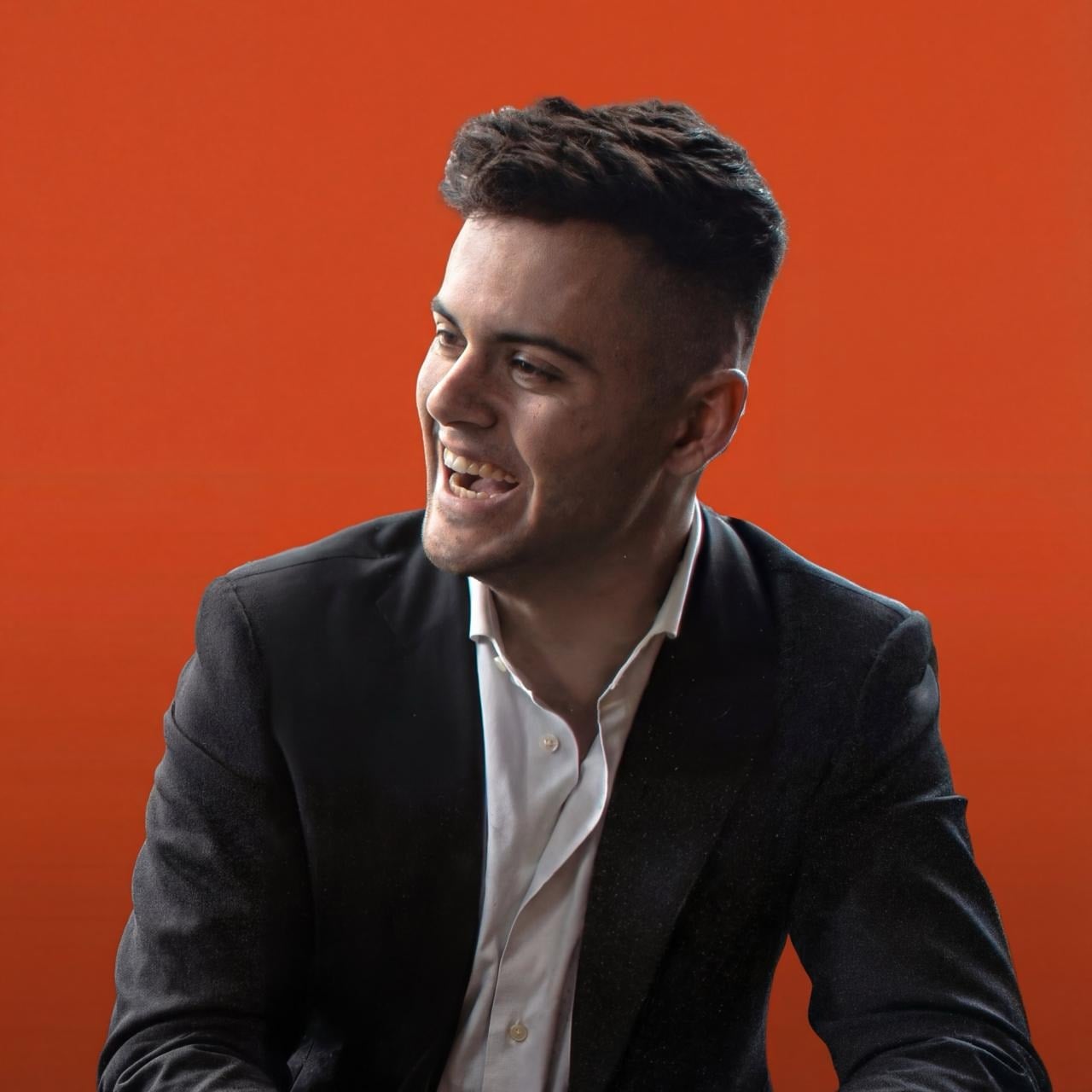
Ethan Monkhouse
Founder of Monkhouse & Partners and Head of AI at Knightox; runs his companies on the AI systems he builds
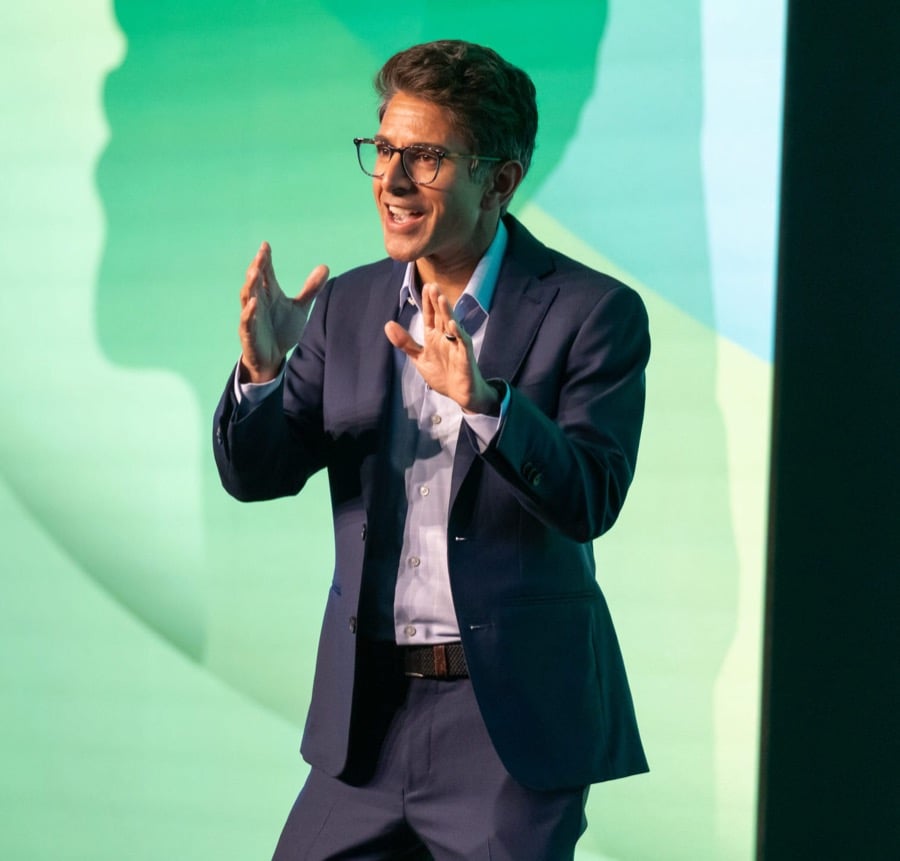
Suneel Gupta
Founding CEO of RISE & Bestselling Author of Backable | Harvard Medical School Visiting Scholar
The future-of-work category attracts a lot of speakers who haven't actually changed how anyone works. The ones on our roster have. Adam Cheyer ran AI experience at Airbnb, where he was reshaping how millions of travelers plan trips. Zach Rattner is the CTO of an AI company whose platform replaces in-person inspections for tens of thousands of customers a year. Maya Ackerman built one of the first commercial generative-AI products in 2015 and is now publishing the book on AI's relationship with creativity. Milly Tamati built a 100K-member global professional community without venture capital. If your audience is going to spend an hour listening to someone describe the future of work, they should hear it from people who are visibly building it.
Why most future-of-work talks miss
Most future-of-work keynotes follow the same arc: "AI is here, it's changing everything, here's a four-quadrant framework for how to think about it." Your audience has seen that talk three times this year. The ones that actually land go specific: how AI is rewriting a single workflow in a single department; what changes inside an engineering team when a code-completion tool becomes table stakes; how a hiring process changes when 60% of inbound resumes are AI-generated. The speakers we recommend lead with specifics like those because they're shipping those changes themselves.
AI augmentation, not AI replacement
The honest framing is augmentation — adding AI as a layer on top of how humans already work, then iterating from there. Adam Cheyer's work at Airbnb is the cleanest example: he wasn't trying to replace the people who plan travel, he was building a generative-AI "travel concierge" that handles the parts a search box was never good at. Zach Rattner's work at Yembo is the same pattern in a different industry: AI doesn't replace the insurance adjuster, it handles the video-walkthrough analysis so the adjuster spends their time on judgment calls. Booking a speaker who can walk through that pattern in detail gives your audience something they can actually take back to their team.
Remote, hybrid, and the new shape of collaboration
Future-of-work isn't only AI. Milly Tamati's story — running a community of 100,000 generalists from a Scottish island — is the answer to the question of what distributed collaboration looks like when it works. It's not about the tooling; it's about the design of the work itself. For audiences in HR, people-ops, and remote-first organizations, this angle lands harder than another generative-AI talk. We often pair speakers across both threads when a future-of-work summit has multiple stages.
Matching the future-of-work speaker to your audience
The right pick depends on the room. Engineering and R&D audiences land best with Mo Tiwari (Staff Research Scientist at Google, ex-OpenAI) or Zach Rattner (CTO of Yembo, shipping AI in regulated industries). Brand, design, and creative-leadership audiences land best with Drue Kataoka (visual generative AI authority who has keynoted Davos and the Vatican) or Dr. Maya Ackerman (CEO of WaveAI, author of Creative Machines). Mixed-business audiences and customer conferences pair well with Adam Cheyer (co-creator of Siri, ex-VP AI Experience at Airbnb) or Chris Barton (inventor of Shazam, 300M+ monthly users). HR, people-ops, and distributed-team audiences should ask about Milly Tamati, founder of Generalist World — a 100,000-person global community built bootstrapped from a Scottish island.
How to brief us for a future-of-work keynote
The three pieces of information that matter most: who's in the room (engineering vs. HR vs. mixed-business audience), what they already believe (skeptical, excited, somewhere between), and what you want them doing differently on Monday morning. With those three things, we can usually narrow to two or three speakers from our roster within a 20-minute call. Travel and budget come after — get the right speaker first.
If you're programming a future-of-work summit, HR conference, or strategy offsite for 2026, the strongest talks will come from people building production AI today — not commentators describing what's coming. Tell us about your event and we'll point you to the speakers on our roster whose direct experience maps to what your audience needs.
Frequently Asked Questions
What is a future-of-work keynote speaker?
A future-of-work keynote speaker focuses on how AI, remote and hybrid models, and new organizational designs are changing how teams operate. The most credible ones are operators — founders, CTOs, and senior leaders inside companies actively shipping those changes — rather than commentators or trend analysts. The talk should leave your audience with a concrete shift in how they think about their own workflow.
What topics do future-of-work speakers cover?
Common topics on our roster: AI augmentation in specific functions (engineering, sales, customer support, creative work), remote and hybrid team design, the changing shape of hiring and talent development, the impact of generative AI on knowledge work, and how organizational structures shift when AI is a real part of the workflow. We tailor the angle to your audience during the prep call.
How much do future-of-work keynote speakers cost?
Most future-of-work speakers from operator backgrounds fall in the $15,000–$50,000 range for a 45-minute keynote. Speakers who lead AI work at well-known platforms (Adam Cheyer's recent Airbnb tenure, for example) and authors of widely-read books on the topic sit in the upper half. We share specific ranges once we know the event format and budget.
How is AI changing the future of work?
The honest answer most of our speakers give: AI is changing the future of work in ways that are obvious in retrospect but specific to each function. Inside engineering teams, code-completion and review tools have already shifted what a senior engineer's day looks like. Inside customer-facing teams, AI handles the triage so humans focus on judgment calls. Inside creative teams, generative AI is being used as a first-draft tool, not a final-output tool. The pattern is augmentation, not replacement — but the specific application depends on the function and the company.
Which speakers does Silicon Valley Speakers recommend for future of work events?
Our future-of-work roster includes Adam Cheyer (co-creator of Siri, ex-VP AI Experience at Airbnb), Zach Rattner (CTO of Yembo, shipping AI in regulated industries), Maya Ackerman (CEO of WaveAI, AI Professor at Santa Clara), and Milly Tamati (founder of Generalist World, a 100K-member professional community). We match the specific speaker to your audience profile and event goals.
Ready to Book a Future of Work Speaker?
Tell us about your event and we'll recommend the perfect speaker.
Start Your Inquiry