Best AI Keynote Speakers for 2026
Connect with the pioneers shaping our AI-powered future. These speakers have built the systems transforming industries—from GPT to Siri to cutting-edge robotics.
Find Your SpeakerWhy Book an Artificial Intelligence Speaker?
- Hear how Adam Cheyer co-created Siri (2B+ devices) and Viv/Bixby (500M+ devices), then ran AI Experience at Airbnb — five AI companies, four acquisitions, 50 issued patents
- Get the shipping-AI-in-production view from Zach Rattner, CTO of Yembo, whose platform processes millions of inspection videos a year across 20+ countries
- Learn what generative AI means for creativity from Dr. Maya Ackerman, who has been doing human-centered generative AI since 2015 — years before the category existed
- Hear how Chris Barton built Shazam (300M+ monthly users, acquired by Apple) after MIT and Stanford experts said the pattern recognition was impossible
Common Event Types
Artificial Intelligence Speakers
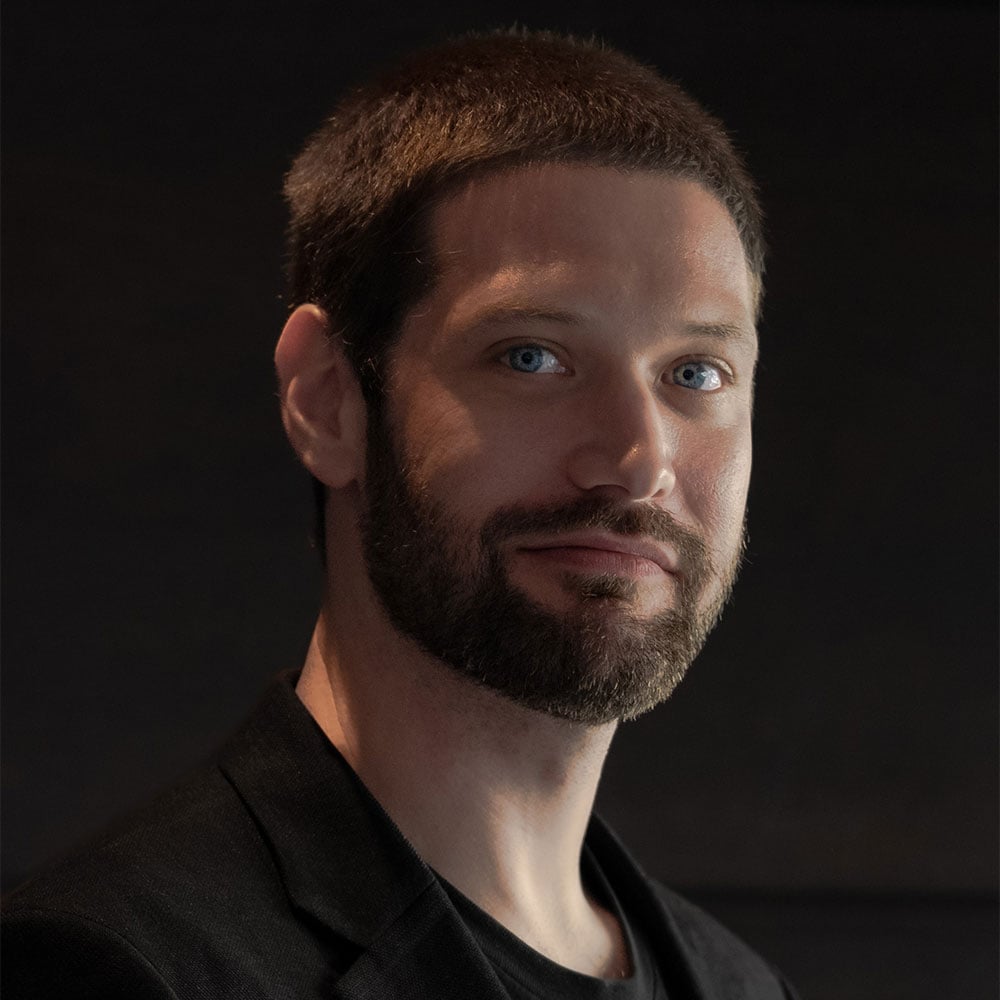
Zach Rattner
AI Founder & CTO with physical industry customers in 20+ countries
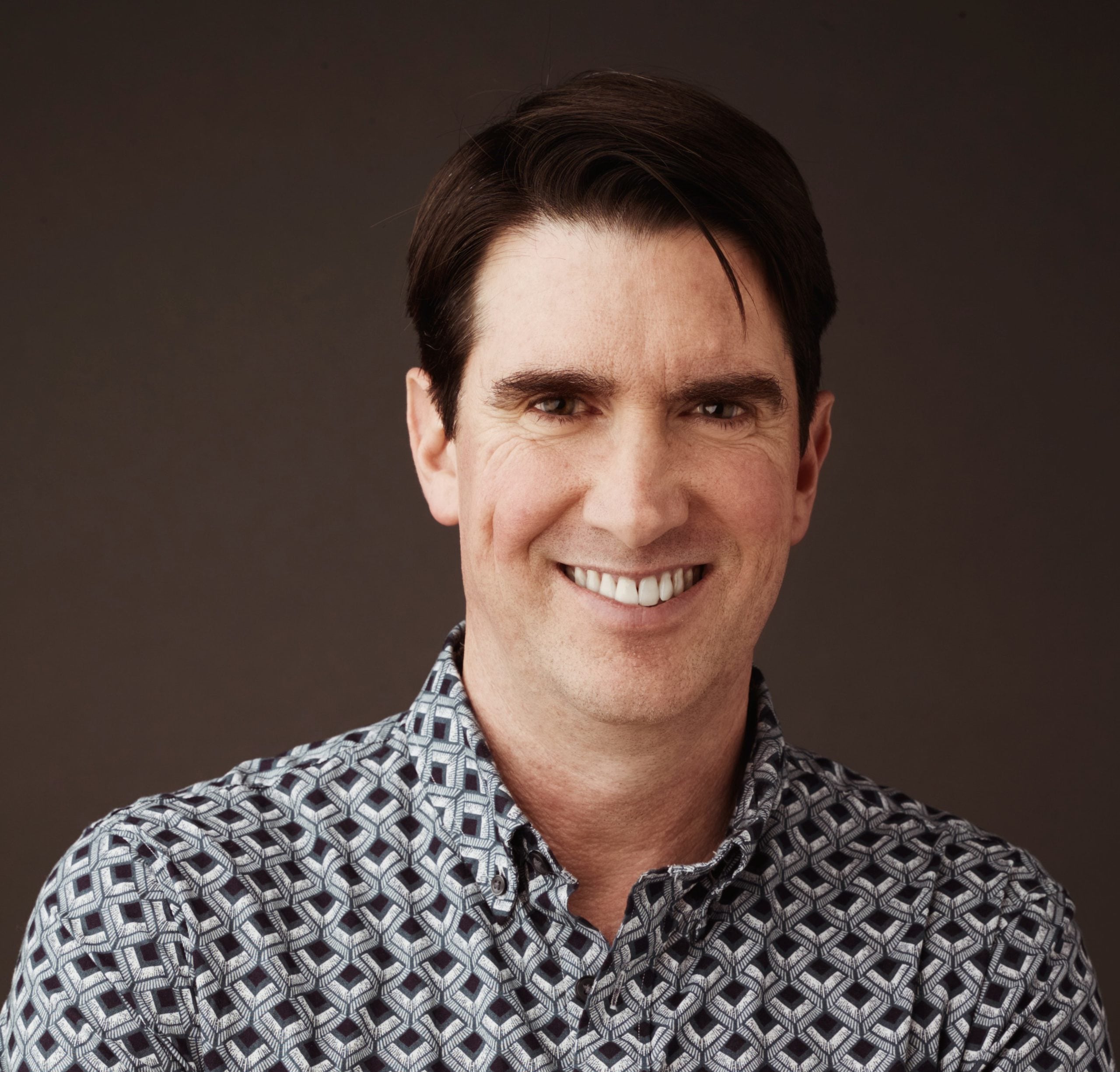
Adam Cheyer
Co-Creator of Siri and 5x founder at the intersection of AI and human potential
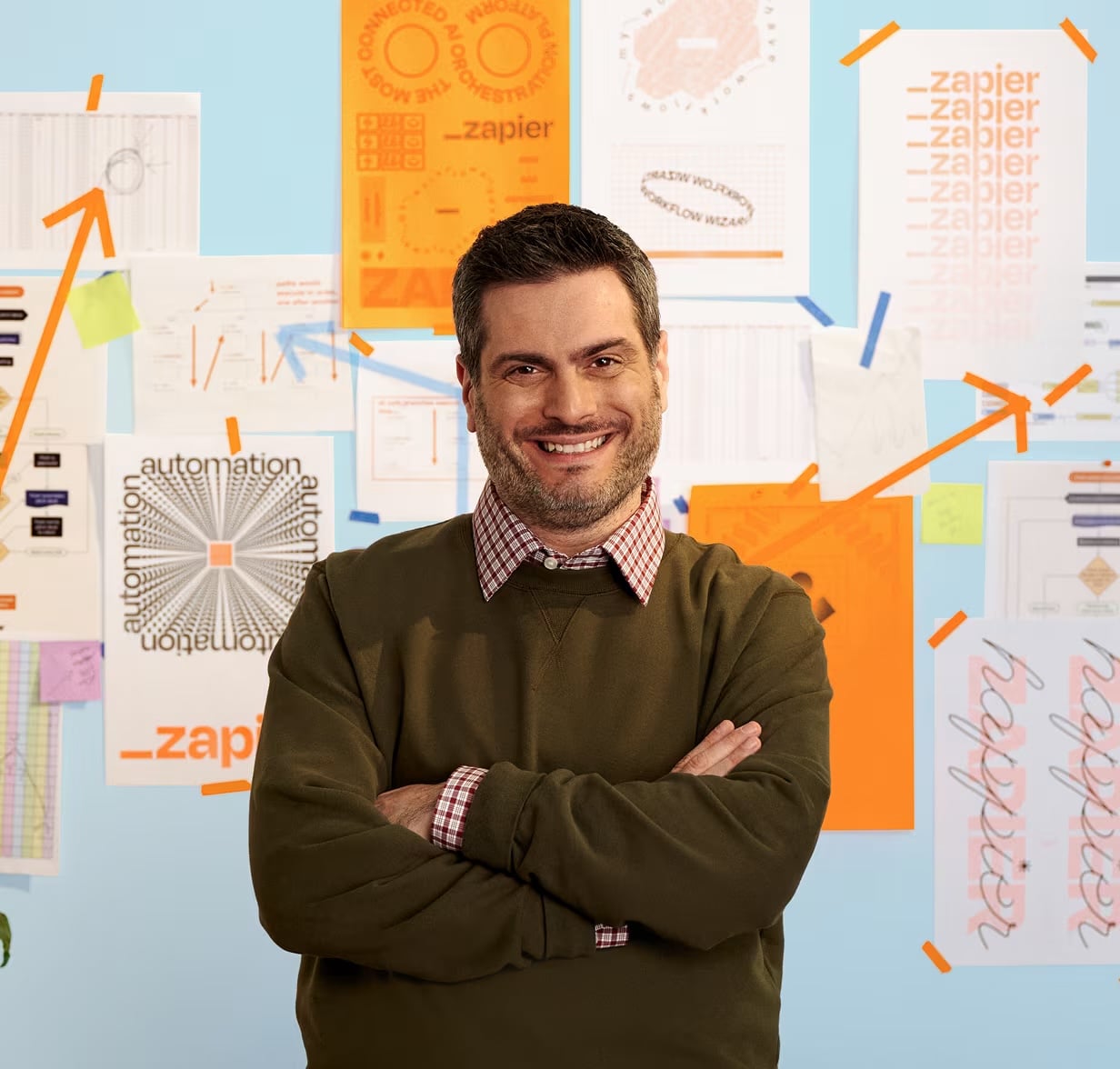
Philip Lakin
Director of AI Transformation at Zapier and the operator companies call when AI adoption stalls, with 1,000+ hours turning enterprise teams from AI-curious to AI-capable
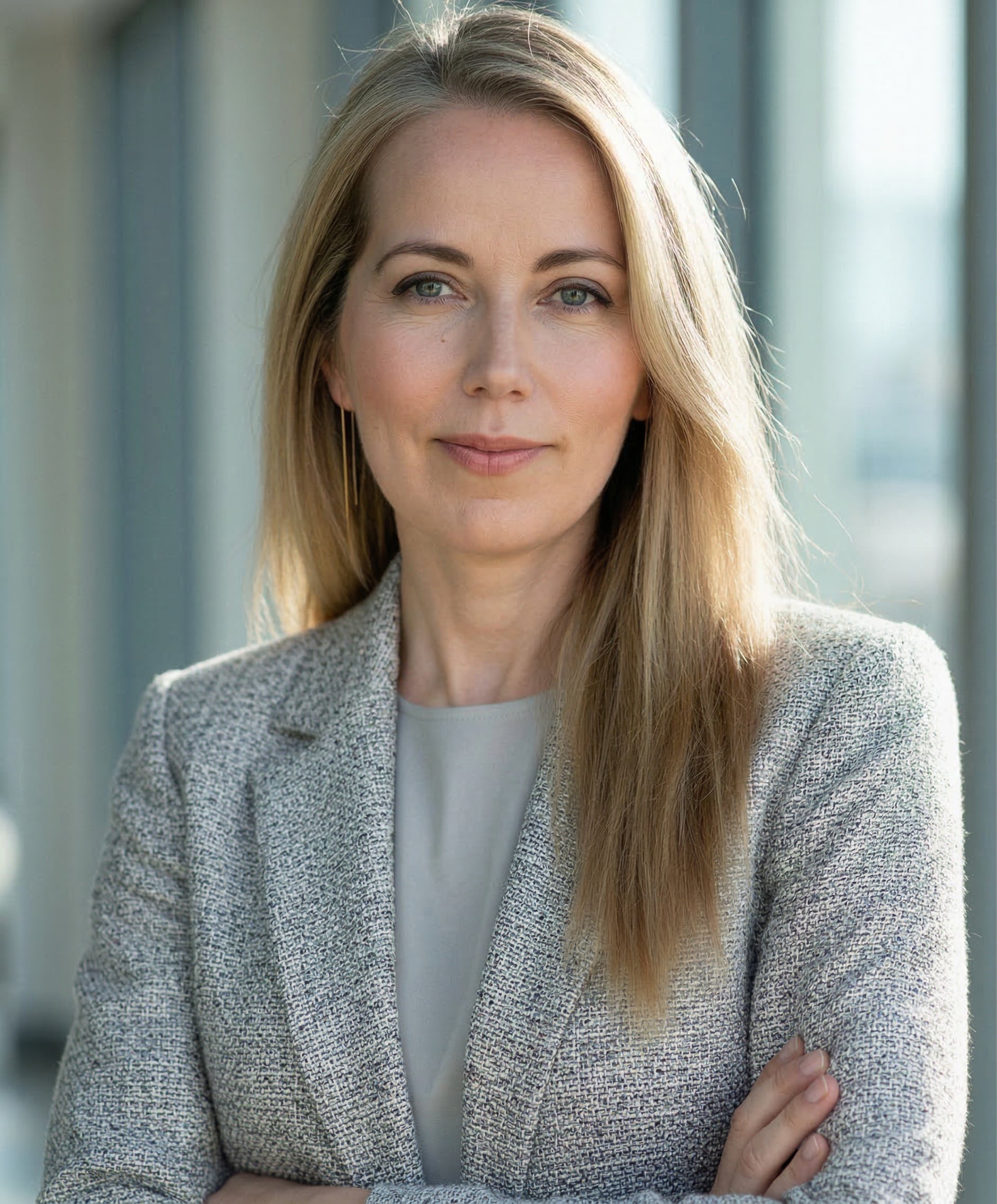
Maya Ackerman
CEO of WaveAI & AI Professor at Santa Clara University
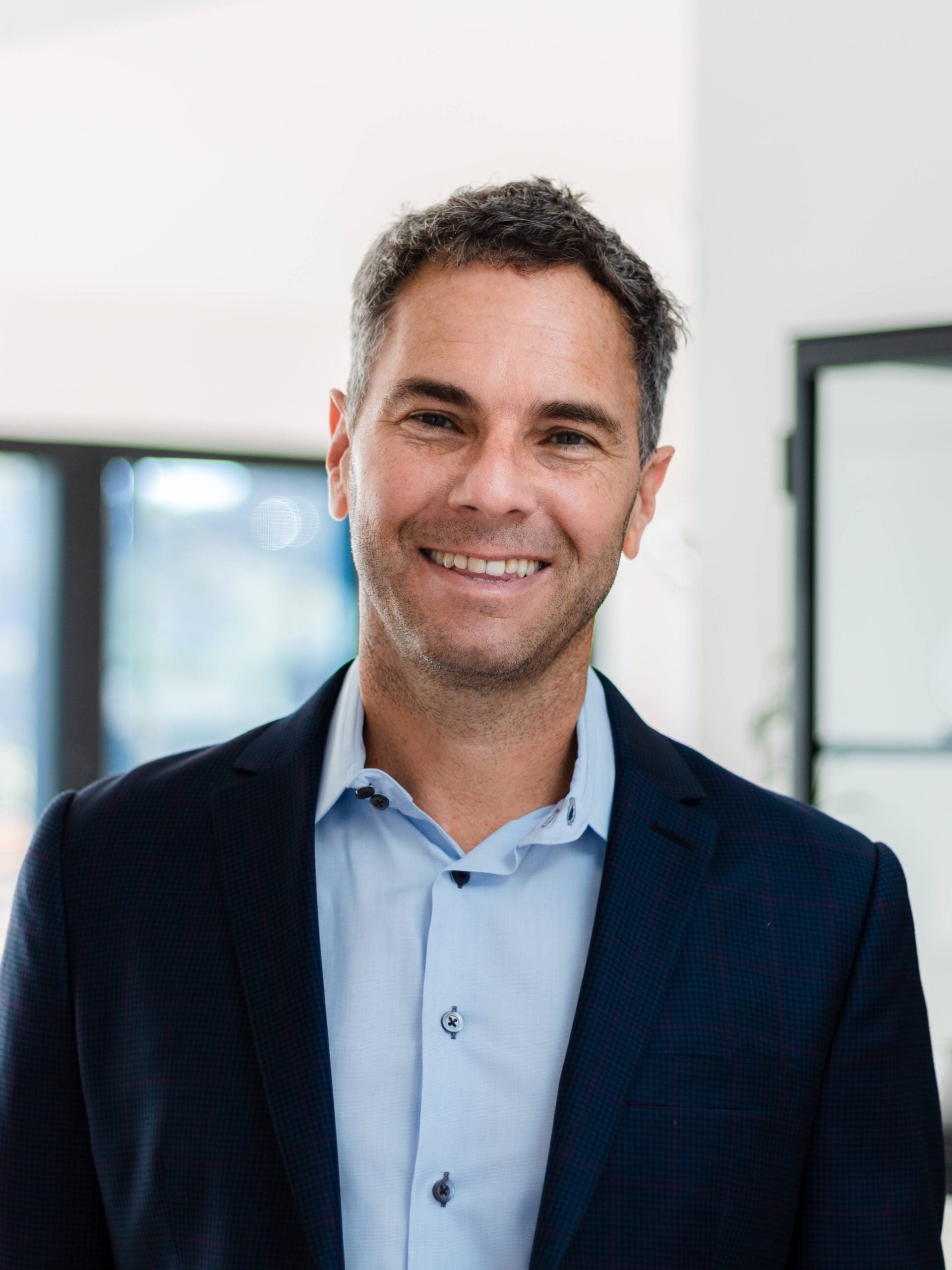
Chris Barton
Founder & Creator of Shazam, Entrepreneur, Inventor, and Tech Investor
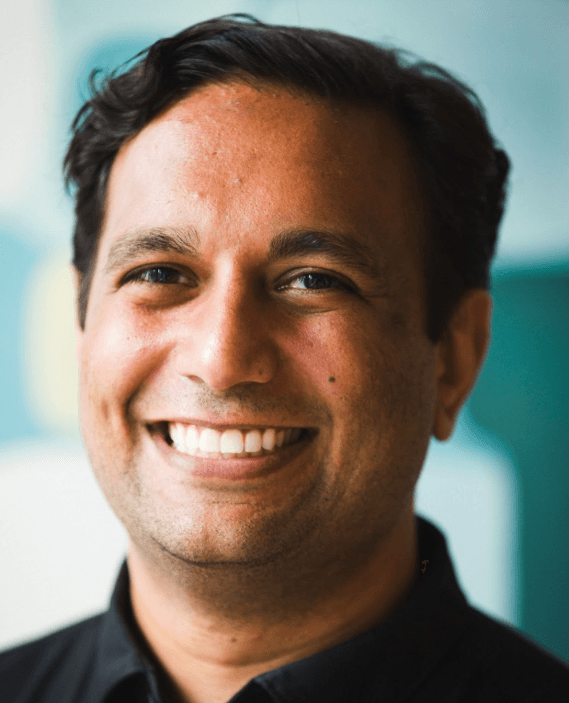
Mo Tiwari
OpenAI researcher, Stanford CS PhD bridging cutting-edge AI with real-world impact
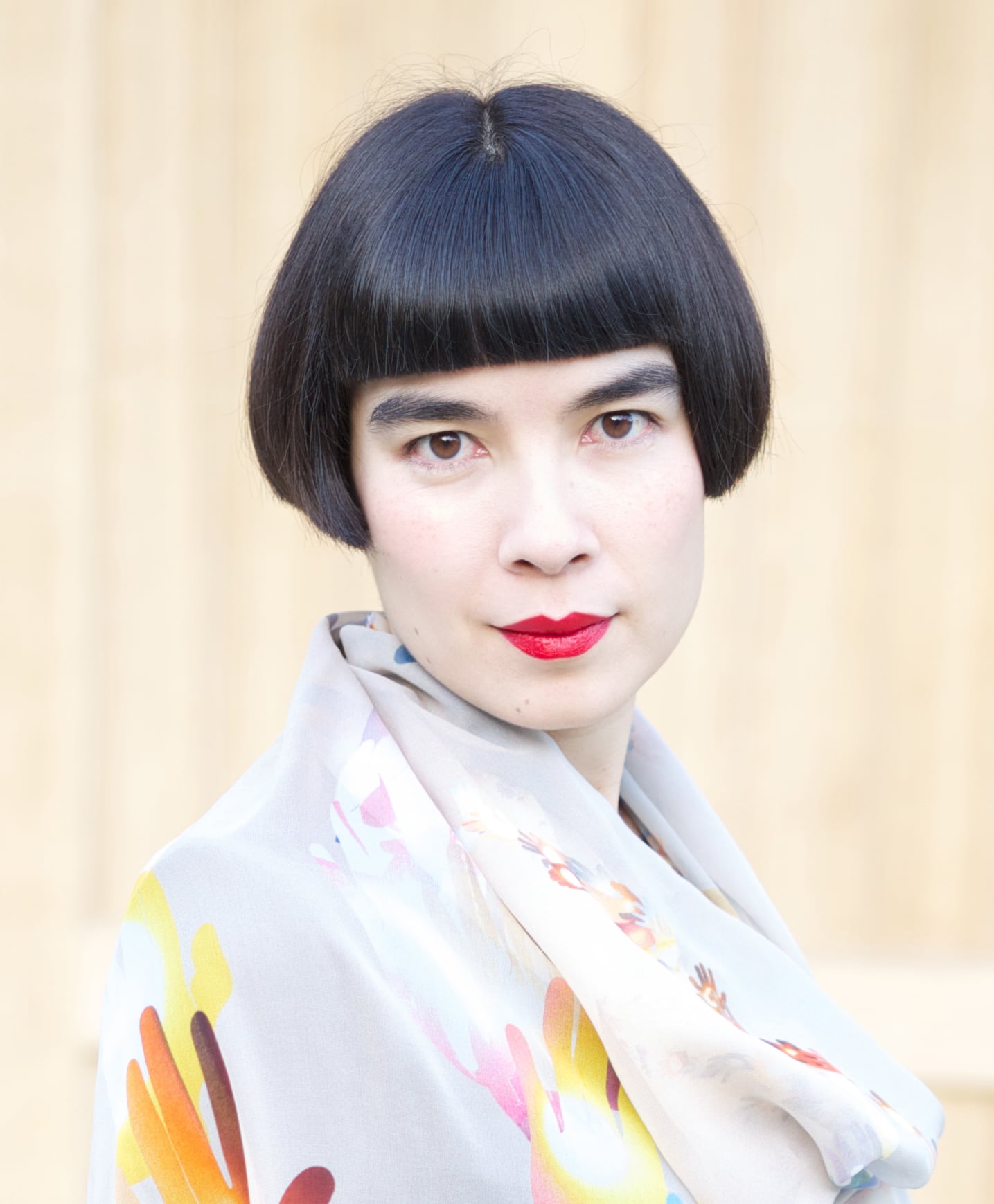
Drue Kataoka
Visual AI pioneer who has keynoted at Davos, Milken Global, the Vatican Academy of Pontifical Sciences, and the world's most prestigious stages

Abigail Posner
Anthropologist & Former Director, U.S. Creative Works at Google | Becoming Irreplaceable in an AI World
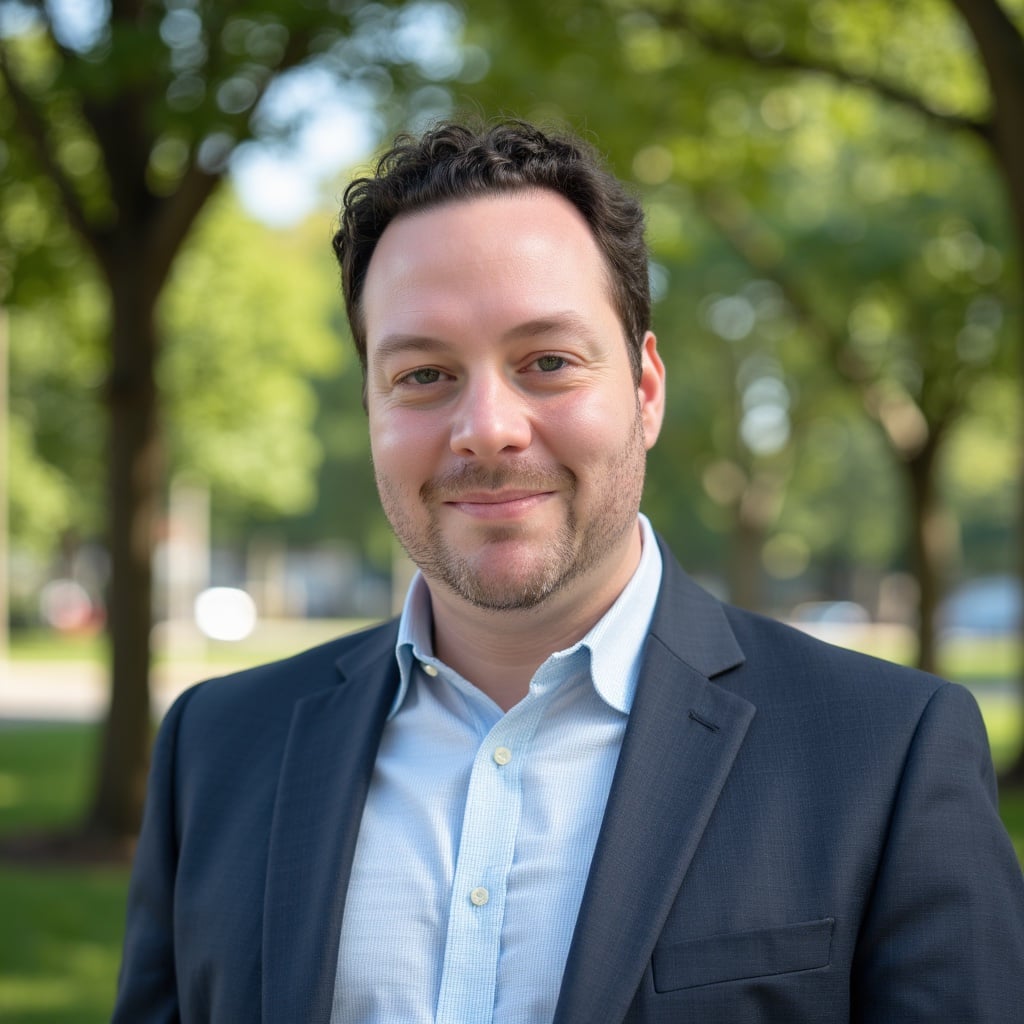
David Homan
USA Today Best-Selling Author and Speaker on Trust, Relationship Value, and Human Connection
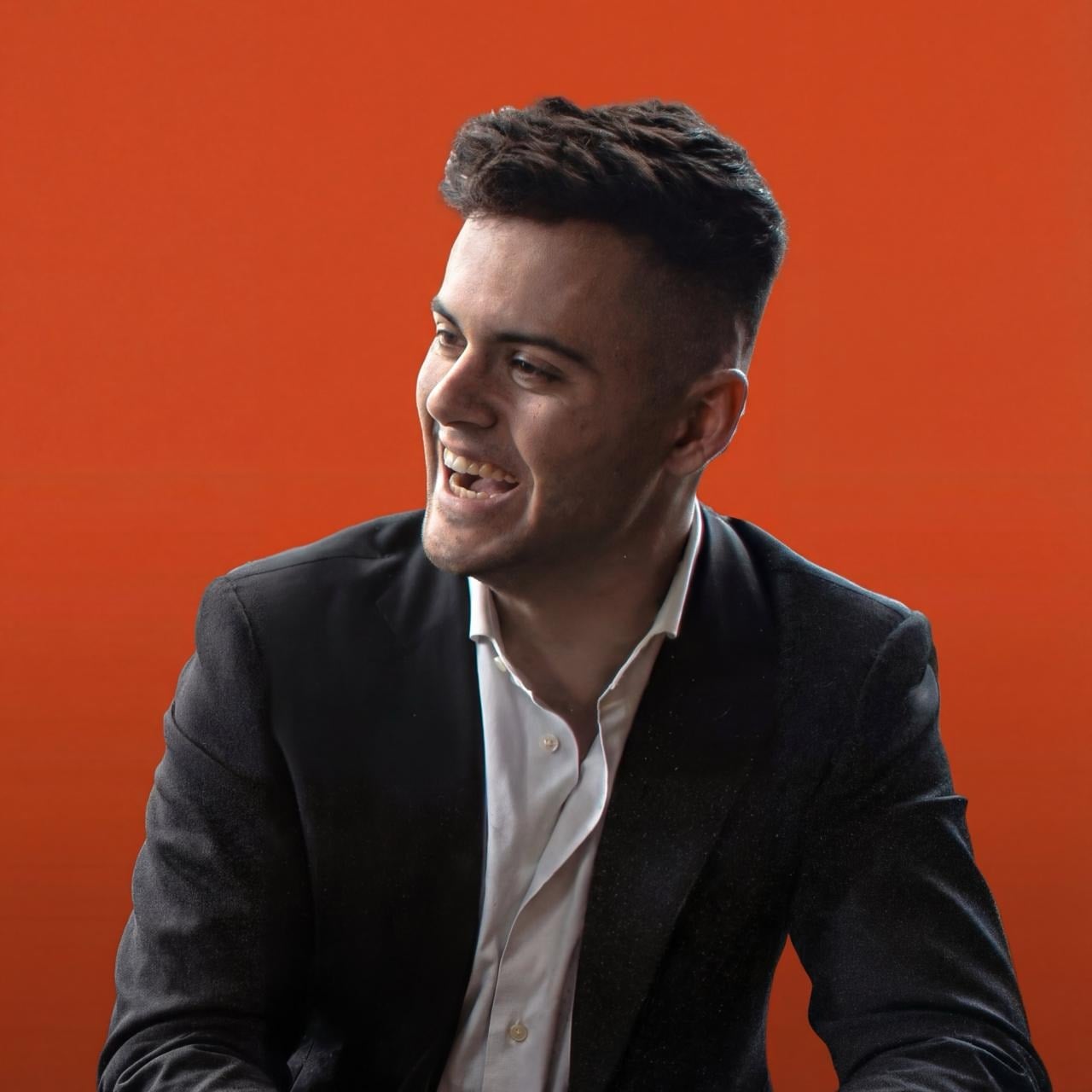
Ethan Monkhouse
Founder of Monkhouse & Partners and Head of AI at Knightox; runs his companies on the AI systems he builds
Most AI keynote speakers are commentators describing what AI might do. The speakers on our roster have built the systems your audience already uses. Siri runs on more than 2 billion devices. Bixby runs on 500 million. Shazam has 300 million monthly users. Yembo's AI processes millions of insurance and logistics videos a year across 20+ countries. The bar for an AI keynote in 2026 has moved — your audience can tell within the first five minutes whether the speaker has shipped what they're describing.
What separates a 2026 AI keynote from the rest
The AI panel circuit is saturated with speakers who recap headlines. Your audience has seen that talk three times this year. The keynotes that actually land go specific: how a single workflow inside a single function is being rewritten right now, what a real production AI system looks like when it's serving millions of users, what changes inside an engineering team when AI moves from prototype to production. The speakers on our 2026 AI roster lead with specifics like those because they're running the systems they describe — not commenting on them from the sidelines.
AI researcher or AI founder — which one does your audience need?
The terms overlap, but they're not the same. An AI researcher like Mo Tiwari (Staff Research Scientist at Google, ex-OpenAI) goes deep on architectures, model behavior, and where the frontier is heading. That's the right brief when the audience is engineering, R&D, or technical leadership weighing AI investment decisions. An AI founder like Adam Cheyer, Chris Barton, or Zach Rattner tells the story of taking an impossible product from zero to a system millions of people use. That's the right brief for mixed-business audiences, sales kickoffs, and leadership offsites where the takeaway is about resilience and judgment, not the underlying technology. We've placed both flavors in the same event when the program had multiple stages.
When AI keynotes work — and when they don't
AI keynotes land hardest at AI strategy summits, customer conferences for tech companies, R&D offsites, leadership briefings on AI transformation, and SKO openers where the message is about shipping under uncertainty. They land softest at events that want generic motivational speeches without strategic outcomes, and at events where the audience needs hands-on AI tooling training. For the latter, ask about workshops with Zach Rattner, Dr. Maya Ackerman, or Drue Kataoka — all three pair keynotes with deeper workshop formats.
How to brief us for an AI keynote
Three pieces of information get us to a shortlist fast: who's in the room (engineering vs. mixed-business vs. C-suite), what they already believe about AI (skeptical, excited, somewhere between), and what you want them doing differently on Monday morning. With those three things, we can usually narrow to two or three speakers from our 2026 roster within a 20-minute call. Top-tier AI speakers book 6 to 9 months out, especially for Q1 SKO season; start the conversation early if your event lands in January through March.
If you're programming an AI keynote for a 2026 corporate event, the question to start with is not "who's the most famous AI commentator" — it's "whose AI work does my audience already rely on?" That filter narrows the field fast. Tell us about your event and we'll point you to the speakers on our 2026 roster whose direct experience maps to what you want your audience to take away.
Frequently Asked Questions
What is an AI keynote speaker?
An AI keynote speaker is someone who has personally built, researched, or led the deployment of AI systems and now teaches audiences how to think about it. The strongest AI speakers come from operator backgrounds — founders, CTOs, and senior researchers — rather than commentary or punditry. They speak from direct experience about building under technical uncertainty, shipping in regulated environments, and what's actually working inside production AI systems today.
How much do AI keynote speakers cost?
AI keynote speakers from operator backgrounds typically range from $10,000 to $75,000 for a 45-minute keynote. Founders of well-known consumer AI products (Siri-class, Shazam-class) sit in the upper half of that range; emerging AI-founder voices and academic researchers sit in the lower half. Custom workshops, multi-day formats, and international travel add to the base fee. We share specific ranges once we know the event format and budget.
When should I book an AI keynote speaker for a 2026 event?
For top-tier AI speakers — Siri co-creator, Shazam founder, that level — start the conversation 6 to 12 months ahead. For emerging AI-founder voices and senior researchers, 3 to 6 months is usually enough. The two windows that fill earliest each year are SKO season (January through March) and the September-through-November conference rush. If your event lands in either of those windows, double the lead time you'd normally plan for.
What's the difference between an AI researcher and an AI founder for a keynote booking?
An AI researcher (Mo Tiwari, Dr. Maya Ackerman) goes deeper on the science, the architectures, and the trade-offs at the frontier. Their talks land best when the audience is engineering, R&D, or technical leadership making investment decisions. An AI founder (Adam Cheyer, Chris Barton, Zach Rattner) tells the story of taking an AI product from impossible to shipping at scale. Their talks land best with mixed-business audiences, sales kickoffs, and leadership offsites where the lesson is about the journey, not the technology. We help you match the speaker to the room during the discovery call.
Which AI keynote speakers does Silicon Valley Speakers recommend for 2026?
Our 2026 AI roster centers on builders: Adam Cheyer (co-creator of Siri, ex-VP AI Experience at Airbnb), Chris Barton (inventor of Shazam, now building Guard AI), Zach Rattner (CTO of Yembo, shipping AI in regulated industries), Dr. Maya Ackerman (CEO of WaveAI and Professor at Santa Clara, author of Creative Machines), Mo Tiwari (Staff Research Scientist at Google, ex-OpenAI), and Drue Kataoka (visual generative AI authority who has keynoted Davos and the Vatican). We match the specific speaker to your audience profile and event goals.
Can we hire an AI keynote speaker virtually?
Yes — every speaker on our 2026 AI roster delivers virtual and hybrid keynotes in addition to in-person events. Adam Cheyer, Chris Barton, Dr. Maya Ackerman, Zach Rattner, and Mo Tiwari all have polished virtual setups (broadcast-grade audio, professional lighting, prep-call discipline for online audiences). Virtual fees are typically 15-25% lower than in-person fees for the same speaker, and the prep-call structure stays the same. Tell us about your platform (Zoom Webinar, Hopin, Bizzabo, internal stream) and audience size in the inquiry.
What should we look for in an AI keynote speaker for an enterprise tech summit?
Three filters: operator credibility (has the speaker built or led production AI systems, or are they commenting on AI from the outside?); audience calibration (is the room engineering, mixed-business, or C-suite — and does the speaker have a talk format calibrated for that seniority?); and recency (a 2018 AI talk is not a 2026 AI talk — ask what the speaker shipped or published in the last 12 months). For enterprise tech audiences specifically, the strongest fits on our roster are Adam Cheyer (most recent role: VP AI Experience at Airbnb), Zach Rattner (currently CTO of an AI platform serving 20+ countries), and Mo Tiwari (Staff Research Scientist at Google, ex-OpenAI).
Who are the top generative AI speakers we can book for 2026?
For generative AI specifically, the strongest speakers on our 2026 roster are Dr. Maya Ackerman (CEO of WaveAI, building human-centered generative AI since 2015 — years before the category existed, author of Creative Machines from Wiley), Drue Kataoka (visual generative AI authority, has keynoted Davos, Milken, and the Vatican Pontifical Academy), Adam Cheyer (co-creator of Siri, then led generative-AI travel concierge work at Airbnb), and Mo Tiwari (Staff Research Scientist at Google, ex-OpenAI — the research-frontier view). The right pick depends on whether the audience needs creative/strategic framing (Maya, Drue), operator credibility on consumer-scale generative AI (Adam), or the underlying research perspective (Mo).
Related Topics
Ready to Book an Artificial Intelligence Speaker?
Tell us about your event and we'll recommend the perfect speaker.
Start Your Inquiry