
Roughly one in five speaker requests Silicon Valley Speakers worked in 2026 was virtual or hybrid: 10 of the 55 where the client told us the format. This guide is what those bookings taught me about virtual keynote speakers: what makes a speaker work on camera, what a virtual keynote costs in 2027, how to brief and tech-check one, and which speakers on our roster I'd put in front of a remote audience.
Need a virtual keynote speaker now?
Every speaker on our keynote speakers roster delivers virtually, and 7 of the 15 also list hybrid as a format. Send the date, the time zone, the platform and the audience to svsb.ai/book-a-speaker and we'll come back with a shortlist within 24 hours.
What makes a virtual keynote work on camera
A speaker who owns a ballroom can be flat on a webcam. On stage they feed off the faces in front of them, and on Zoom they're talking to a lens and a green dot. The two skills overlap less than you'd expect, and that's true whether you're booking a headline keynote or a guest speaker for a virtual event. I judge virtual speakers on four things.
Camera. The lens sits at eye level and the speaker looks into it instead of at their slides. Good framing is mid-chest up, lit from the front. Ask for a two-minute test recording from the room they'll actually present from. A sizzle reel shot by a crew on a stage tells you nothing about how they look from a home office.
Studio. A wired microphone and a wired internet connection matter more than a 4K camera. Plenty of working speakers built a proper home studio after 2020. The ones who didn't tend to present from a laptop on a kitchen table, and a remote audience notices within a minute.
Interaction. In a ballroom nobody can check email without the person next to them noticing. At home they can, so a virtual keynote has to give people a reason to keep watching: a poll, a question dropped into chat, a live demo, or a shout-out to someone who answered. I ask speakers to plan an audience moment at least every 10 minutes.
Length. Most keynotes on our roster run 45 to 60 minutes in person. For virtual, I usually recommend 30 to 40 minutes of talk plus 15 minutes of live Q&A. Attention fades faster on a screen than in a seat, and Q&A is where the remote format beats the ballroom, because the chat lets everyone ask at once.
Virtual vs in-person vs hybrid keynotes
The format decision usually comes down to who needs to be in the same place. Here's how they compare on the bookings we handle.
Virtual
Fee: typically 10 to 50% below in-person, with no travel on top.
Prep: a briefing call plus a tech check on your platform 24 to 48 hours out.
Best for: distributed teams, employee community sessions, association webinars and all-hands meetings across time zones.
Watch for: attention drops fast without an audience moment every 10 minutes.
In-person
Fee: the full fee, with travel and lodging billed on top.
Prep: briefing calls and an AV walkthrough with your production team.
Best for: annual conferences and kickoffs where the energy in the hall is the point.
Watch for: the headline fee is not the budget. Plan on the all-in number.
Hybrid
Fee: usually quoted as in-person, since the speaker still travels. Streaming and replay rights go in the contract.
Prep: everything in-person needs, plus a stream test and a moderator for the remote audience.
Best for: a headquarters event with a live feed to regional offices, the most common hybrid request we see.
Watch for: remote viewers become an afterthought unless someone owns the chat.
Hybrid is where I see the most mistakes. The usual failure is a speaker who plays to the ballroom while the regional teams watching the stream drift off by minute ten. If you go hybrid, put a camera on the speaker at eye level and give the remote audience its own moderator who feeds their questions to the stage. Our hybrid event management guide covers the production side.
Sales kickoffs are where I hear the format question most this season, because January SKOs get planned in the fall. A team that flies in for the kickoff wants the speaker on stage. A team spread across regions, or one whose travel budget got cut, often runs the kickoff virtually or streams the headline session. One January event we're quoting right now is the classic hybrid: the speaker on stage at headquarters with a live feed to the regional offices. Our sales kickoff speakers page lists the speakers we book most for SKOs.
What a virtual keynote speaker costs in 2027
Virtual fees typically run 10 to 50% below the in-person fee. The discount comes from the travel days dropping out: a 45-minute in-person keynote usually takes a speaker two days on the road, and a virtual one keeps them at home. Here's how the bands from our keynote speaker hiring guide translate to virtual.
| Tier | In-person fee | Virtual fee (10 to 50% below) |
|---|---|---|
| Emerging or niche expert | $5,000 to $15,000 | $2,500 to $13,500 |
| Established professional | $15,000 to $40,000 | $7,500 to $36,000 |
| Recognized thought leader | $40,000 to $75,000 | $20,000 to $67,500 |
| Celebrity or marquee | $75,000 to $250,000+ | $37,500 to $225,000+ |
The virtual column applies the 10 to 50% discount to each 2027 in-person band. In-person fees exclude travel and lodging.
Where a speaker sits in that range depends on demand and on how much custom work you're asking for. A speaker with a full calendar may offer only a small virtual discount, because your virtual date still blocks a day they could sell in person. A 30-minute session built on an existing talk will price toward the bottom.
One note on the low end: most bureaus don't book under $5,000. If your budget sits near that line, a virtual session is often how an established speaker fits inside it.
Budget for two extras that in-person quotes don't usually carry. The first is a recording license if you want to replay the session afterward, which many speakers price separately. The second is a producer or moderator on your side who runs the platform so the speaker can focus on the talk.
Briefing a virtual speaker and running the tech check
A virtual brief needs everything an in-person brief does (audience, goal, date and length) plus the details that break on the day: the platform, the time zone, who controls the slides and whether the session is recorded. Send it before the first call so the speaker can raise problems early.
Then book a tech check with the speaker and whoever runs your platform, 24 to 48 hours before the event, on the same device and in the same room the speaker will use live. Here's the checklist we run.
Virtual keynote tech-check checklist
- Link and role. The speaker joins from the exact event link with presenter or panelist rights, not as an attendee.
- Wired internet. Ethernet into the laptop, with a tested phone hotspot as the fallback.
- Audio. An external or headset microphone, with a short test recording played back so you hear what the audience will hear.
- Camera and light. Lens at eye level, with the light in front of the speaker rather than behind.
- Slides. Decide who shares them, speaker or producer, and keep a PDF copy with the producer. Play any embedded video with sound.
- Interaction. Polls loaded in advance and a named moderator watching the chat.
- Time zone. The start time confirmed in the speaker's own time zone, with a join time 30 minutes early.
- Backup channel. A phone number or text thread between the speaker and the producer in case the platform drops.
- Recording. Whether you're recording, and whether the contract covers replay rights.
Customizing a virtual keynote, including employee interviews
The best virtual keynotes I've booked were built from conversations with the audience before the event. A speaker who spends 15 minutes on video with four or five people from the team they'll address comes back with the problems and the phrases your people actually use. Remote audiences pay attention when they hear their own situation described back to them.
Virtual makes this easier than in-person. The interviews are video calls the speaker can do from home, and during the session they can pull answers from the chat into the talk as it happens. When a client wants a customized virtual keynote, I ask the speaker to commit to this in writing:
- A briefing call with the executive sponsor to agree the one thing the audience should do differently afterward.
- Short video interviews with three to five employees from the audience, chosen by you across roles and regions.
- A pre-event survey for larger groups. Zach Rattner customizes his workshops from pre-workshop surveys for this reason.
- A draft outline back to you a week out, with the stories and examples they plan to use.
Ask about customization on the first call. A speaker who can't describe their process in a sentence or two is probably planning to give the talk they gave last week.
Virtual keynote speakers on our roster for 2027
Every speaker below delivers virtually, and each has something specific that makes them work on a screen. I've only listed a fee where the speaker publishes one on their profile.
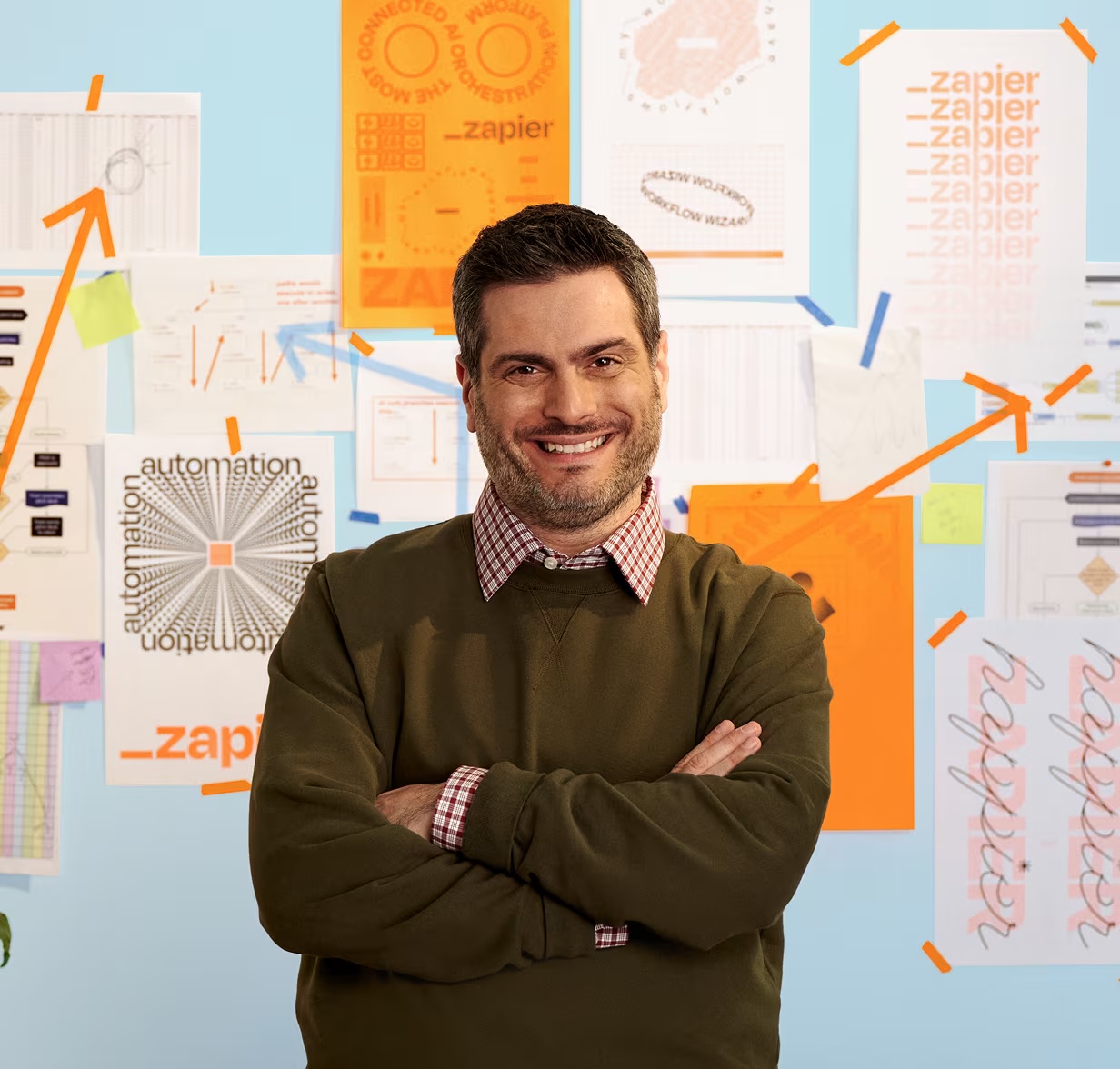
Philip Lakin
Director of AI Transformation, Zapier · Virtual and hybrid
Philip was a working actor before tech, with credits including Law & Order, and he builds energy through interaction instead of reading from slides. He has spoken virtually for audiences spanning operations, IT, marketing and executive leadership. His keynote The AI Transformation Playbook: From Curiosity to Company-Wide Adoption pairs live use cases with workflows a team can use the same week. Silicon Valley Speakers represents Philip.

Shannon Rowbury
Olympic medalist · Virtual · Listed fee $10,000+
Shannon is a three-time Olympian and an Emmy-winning broadcaster who worked as NBC Sports' track and field analyst for the Paris Olympics, so a camera is a normal workplace for her. Her Medalist Mindset Workshop runs in a hybrid format in 60 to 90 minute sessions and can be tailored to sales teams working through quota pressure, which suits a virtual sales kickoff. Silicon Valley Speakers represents Shannon.

Zach Rattner
CTO and Co-Founder, Yembo · Virtual and hybrid · Listed fee $10,000+
Zach built Yembo's AI-powered virtual inspection platform, which is used in over 20 countries and processes millions of videos per year, so remote video is his day job. His keynote Why AI fails (and how to fix it) runs 45 to 60 minutes, and his hybrid workshop From Pilot to Production is customized from pre-workshop surveys of the attendees. Silicon Valley Speakers represents Zach.

Milly Tamati
Founder, Generalist World · Virtual and hybrid
Milly built Generalist World into a 150,000+ person movement from a Scottish island with 191 residents, and she has posted on LinkedIn for more than 1,000 consecutive workdays. She also MCs: she hosted a full day of panels at SXSW London Global House, and organizers describe her as someone who "reads a room fast." For a virtual event, one person can give the keynote and host the session around it. We work with Milly.
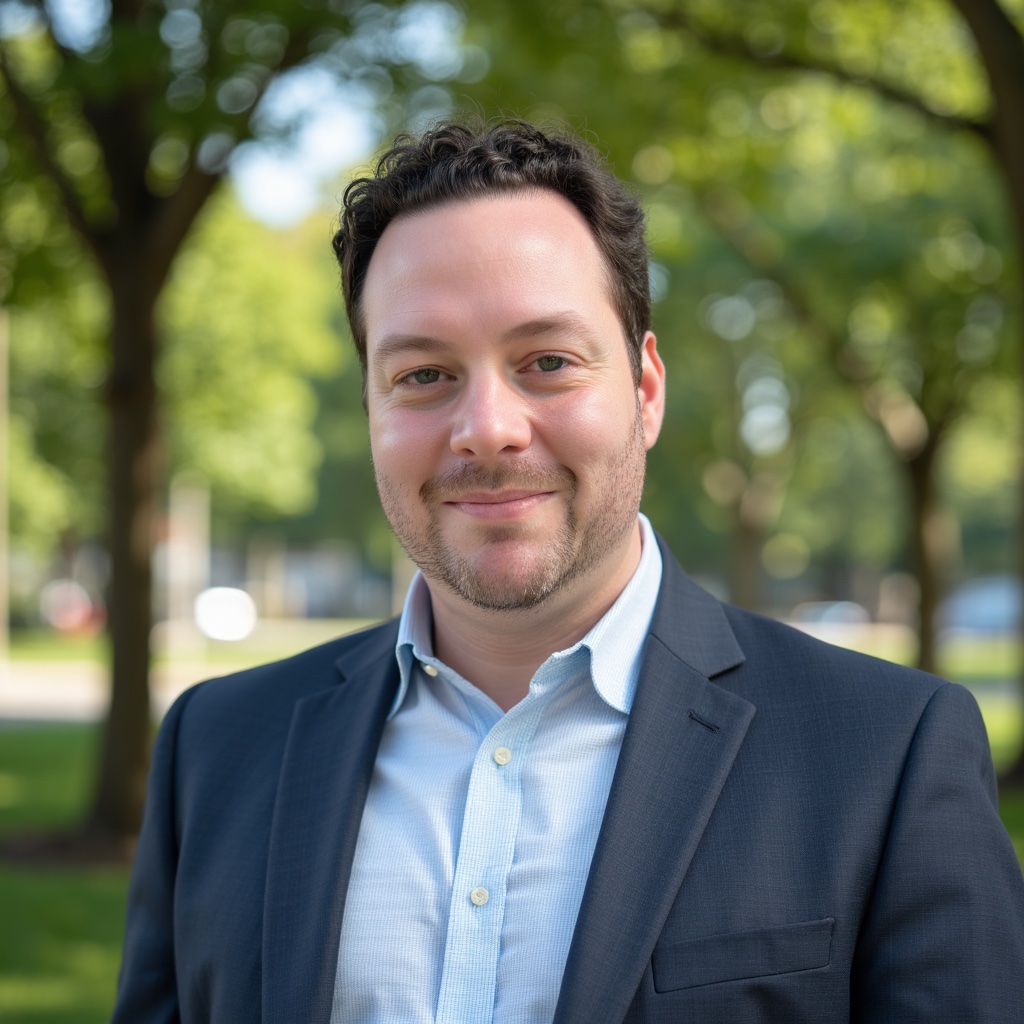
David Homan
Founder, Orchestrated Connecting · Virtual and hybrid
David has keynoted, moderated, emceed or joined panels at more than 350 events, and his catalog includes a 60 Minute Virtual Gathering built for remote groups. His usual format pairs a keynote with a trust-building workshop in which the audience practices connection on the spot, and that kind of participation is what keeps a virtual session alive. We work with David.

Adam Cheyer
Co-creator of Siri · Virtual and hybrid
Adam co-created Siri, which now runs on more than 2 billion Apple devices, and he is an award-winning magician who sometimes builds magic and mentalism into his keynotes. Magic on a webcam gives a remote audience a reason to watch the screen. For a virtual event I'd usually book Adam for a moderated fireside chat, where the remote audience's questions drive the hour. We work with Adam.
For more names by subject, browse our AI keynote speakers, leadership speakers, peak performance speakers and sales kickoff speakers.
Frequently asked questions about virtual keynote speakers
What is a virtual keynote speaker?
A virtual keynote speaker delivers the opening or headline talk of an event remotely, usually live over Zoom or the event's own platform, from a home or professional studio. The good ones rebuild the talk for the screen with shorter segments and live interaction. All 15 speakers on the current Silicon Valley Speakers roster deliver virtually.
How much does a virtual keynote speaker cost?
Virtual keynote fees typically run 10 to 50% below the speaker's in-person fee. Applied to the 2027 bands we quote, that's about $2,500 to $13,500 for emerging experts, $7,500 to $36,000 for established professionals, $20,000 to $67,500 for recognized thought leaders and $37,500 to $225,000+ for marquee names. There's no travel or lodging on top, but budget separately for a recording license if you want to replay the session.
Can a sales kickoff keynote be delivered virtually?
Yes. A virtual or hybrid kickoff works well for sales teams spread across regions, as long as the speaker builds it for the screen: 30 to 40 minutes of talk, an audience moment every 10 minutes, examples drawn from your own reps and a tech check the day before. The most common hybrid setup is the speaker on stage at headquarters with a live feed to regional offices. Our sales kickoff speakers page lists the speakers we book for SKOs, and Shannon Rowbury's Medalist Mindset Workshop can be tailored to sales teams working through quota pressure.
How long should a virtual keynote be?
For most virtual events I recommend 30 to 40 minutes of talk plus 15 minutes of live Q&A. Most keynotes on our roster run 45 to 60 minutes in person, and attention fades faster on a screen, so a shorter cut usually beats a straight transfer of the stage version.
What equipment does a virtual keynote speaker need?
At minimum a wired microphone, a wired internet connection, a camera at eye level and light in front of the face. A backup device and a backup way to reach your producer, such as a phone number or text thread, cover the failures that actually happen. Ask for a short test recording from the room they'll present in before you sign.
Do virtual keynote speakers customize their talks?
The good ones do, and virtual makes it easier. Ask for a briefing call with your executive sponsor and 15-minute video interviews with three to five employees from the audience. For larger groups add a pre-event survey, and ask for a draft outline a week before the event. Zach Rattner, for example, customizes his workshops from pre-workshop surveys of attendees.
What's the difference between a virtual and a hybrid keynote?
In a virtual keynote the speaker and the whole audience are remote. In a hybrid keynote the speaker is usually on stage with a live audience while a second audience watches a stream. Hybrid is normally quoted at the in-person fee because the speaker travels, with streaming or replay rights agreed in the contract, and it needs a moderator who brings the remote audience's questions to the stage.
Book a virtual keynote speaker for 2027
If you're planning a virtual or hybrid event for 2027, send us the date, the time zone, the platform and the audience at svsb.ai/book-a-speaker. We'll come back with a shortlist of speakers who work on camera within 24 hours. You can also browse the full keynote speaker roster or read our guide to hiring a keynote speaker for the in-person side.
Related: Hybrid event management, What is a guest speaker, Sales kickoff themes, Sales kickoff meeting ideas