Best Technology Keynote Speakers for 2027
Book a technology keynote speaker who shipped the product, not a commentator describing it. Founders and CTOs behind Siri, Shazam, and production AI.
Find Your SpeakerWhy Book a Technology Speaker?
- Adam Cheyer co-created Siri, now running on 2B+ Apple devices, and built Samsung's Bixby (50+ patents across AI and conversational interfaces)
- Chris Barton founded Shazam and was its first CEO, reaching 2+ billion downloads before Apple acquired it for $400M, after experts told him the pattern recognition was impossible
- Zach Rattner is CTO and co-founder of Yembo, with AI deployed in 20+ countries, 30+ granted US patents, and 5,000+ professionals trained
- Mo Tiwari researches at OpenAI with a Stanford CS PhD, 20+ peer-reviewed papers and 3,100+ citations, including work co-authored with Turing Award winner Yoshua Bengio
- Philip Lakin runs AI Transformation at Zapier after it acquired his company, with 1,000+ hours in the field moving enterprise teams from AI-curious to AI-capable
Common Event Types
Technology Speakers
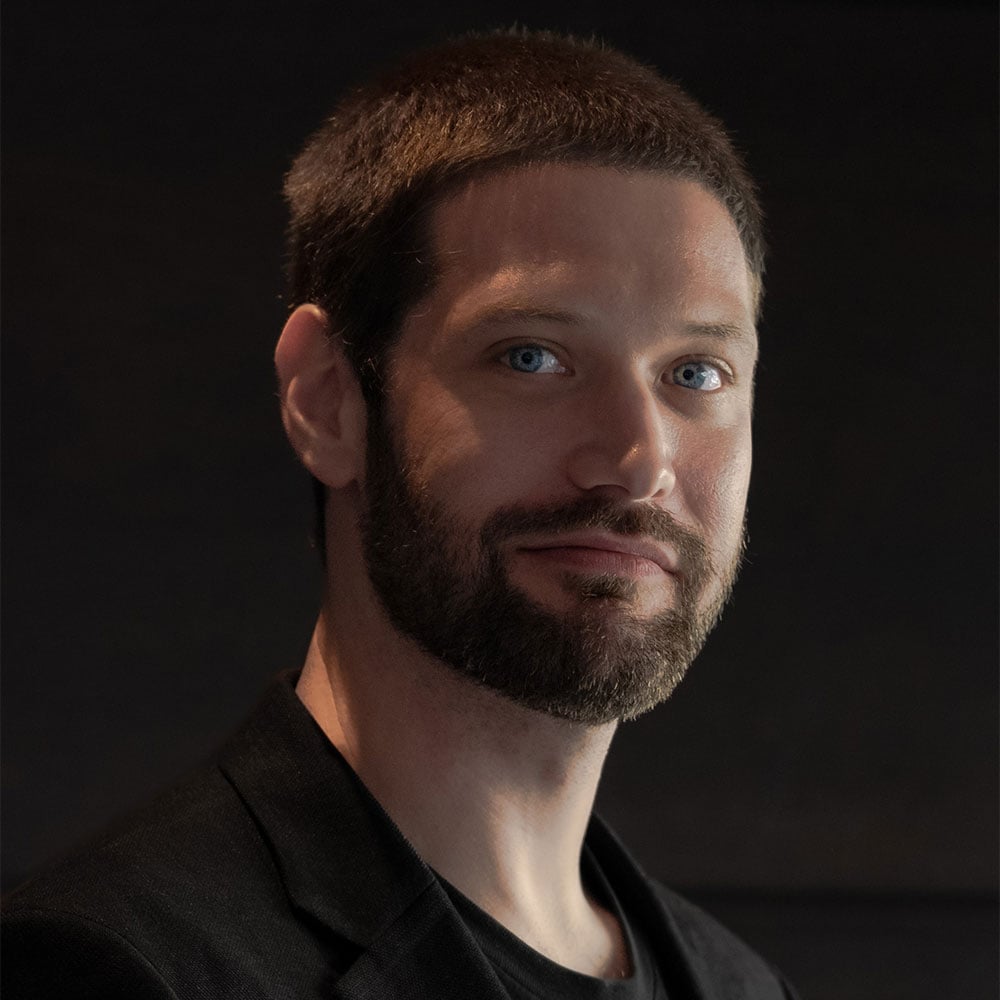
Zach Rattner
AI Founder & CTO with physical industry customers in 20+ countries
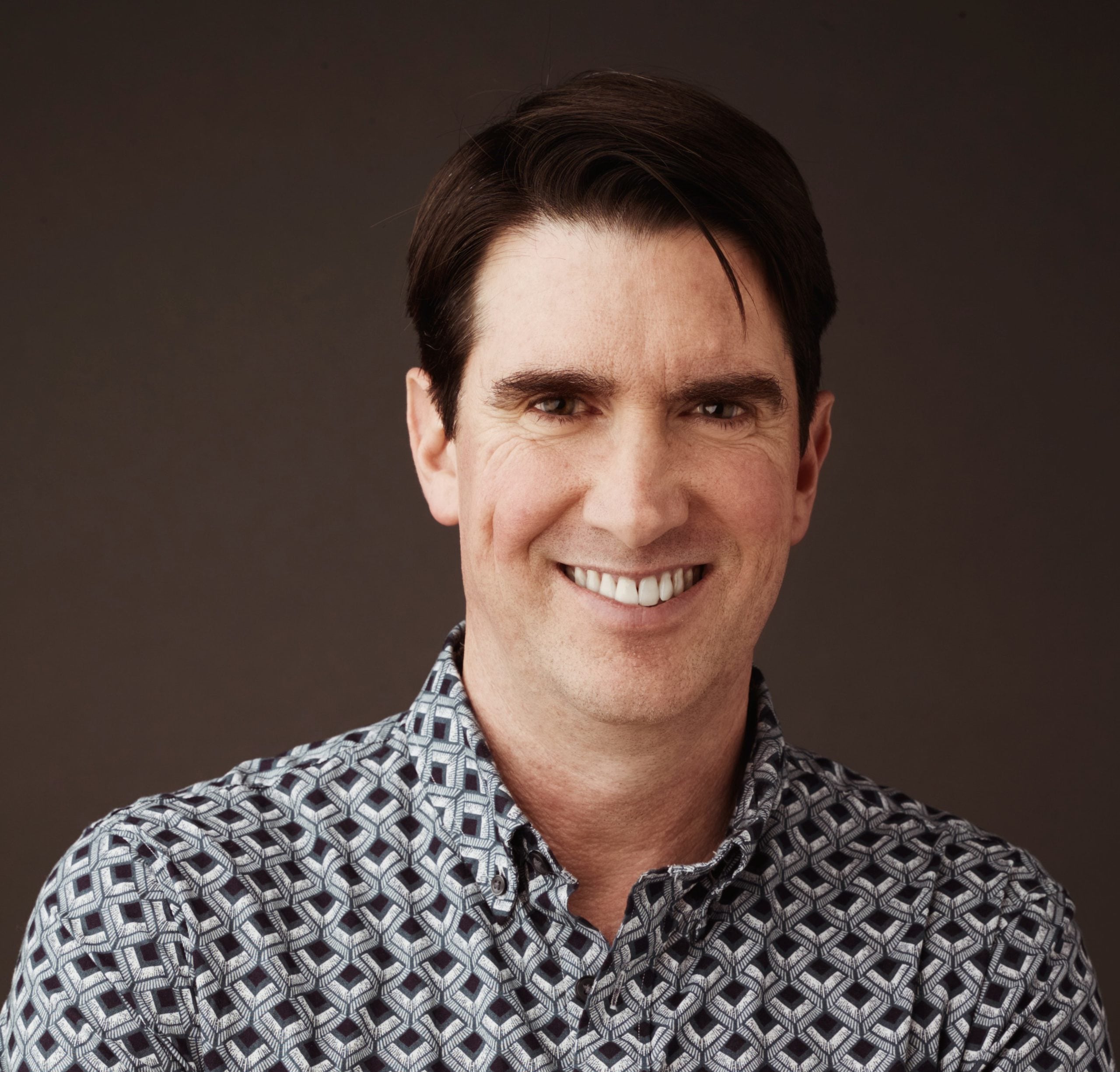
Adam Cheyer
Co-Creator of Siri and 5x founder at the intersection of AI and human potential
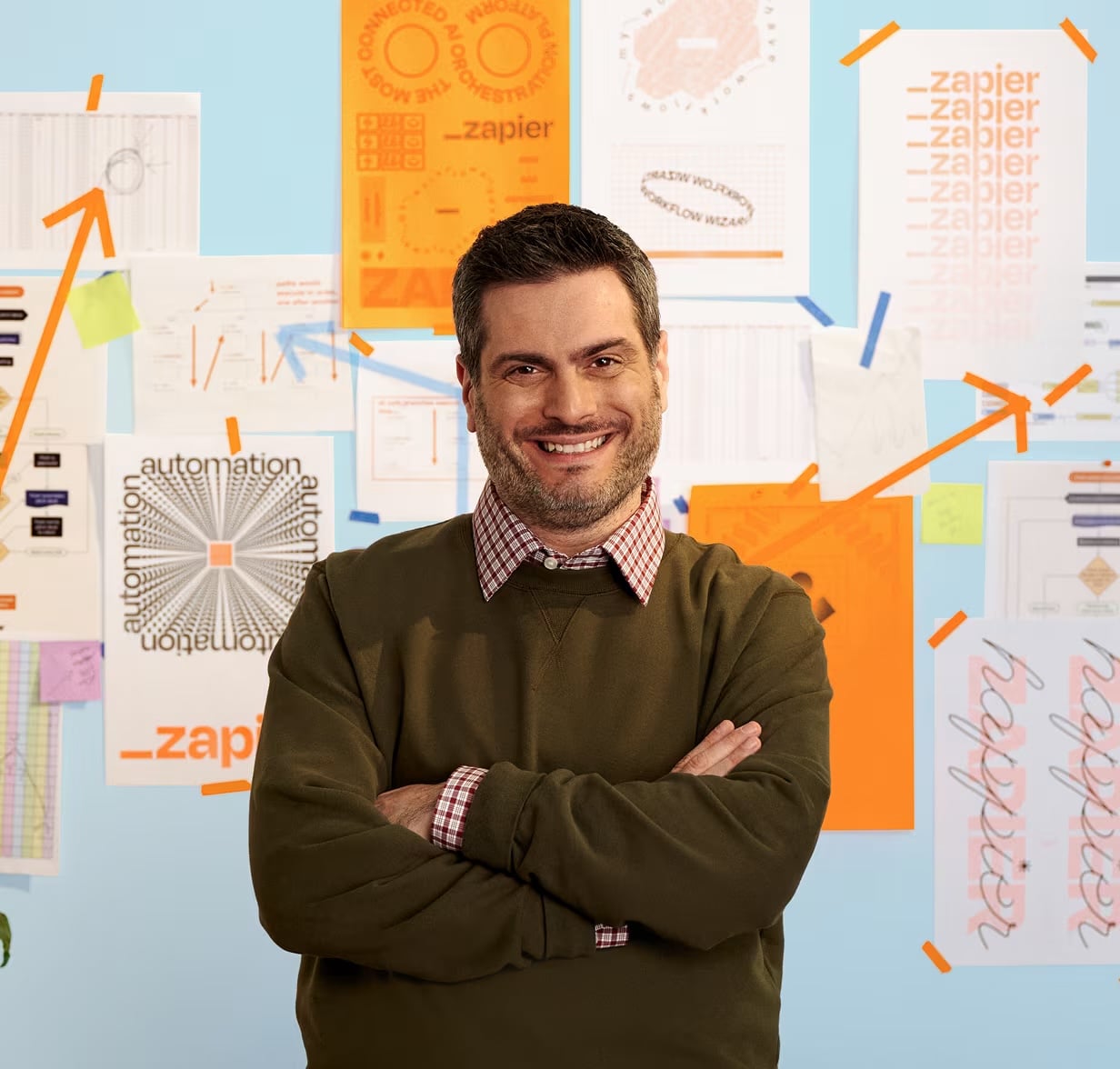
Philip Lakin
Director of AI Transformation at Zapier and the operator companies call when AI adoption stalls, with 1,000+ hours turning enterprise teams from AI-curious to AI-capable
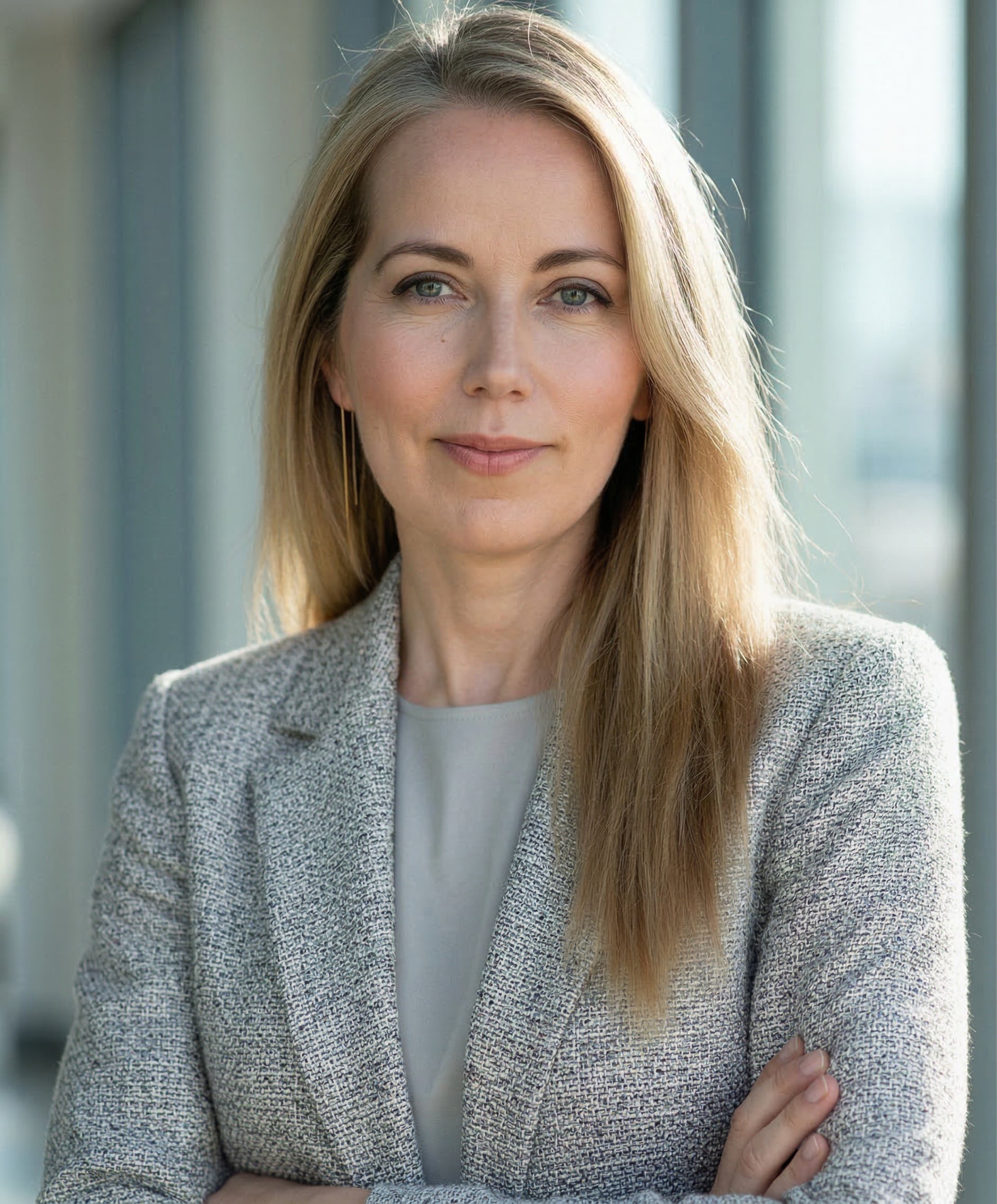
Maya Ackerman
CEO of WaveAI & AI Professor at Santa Clara University
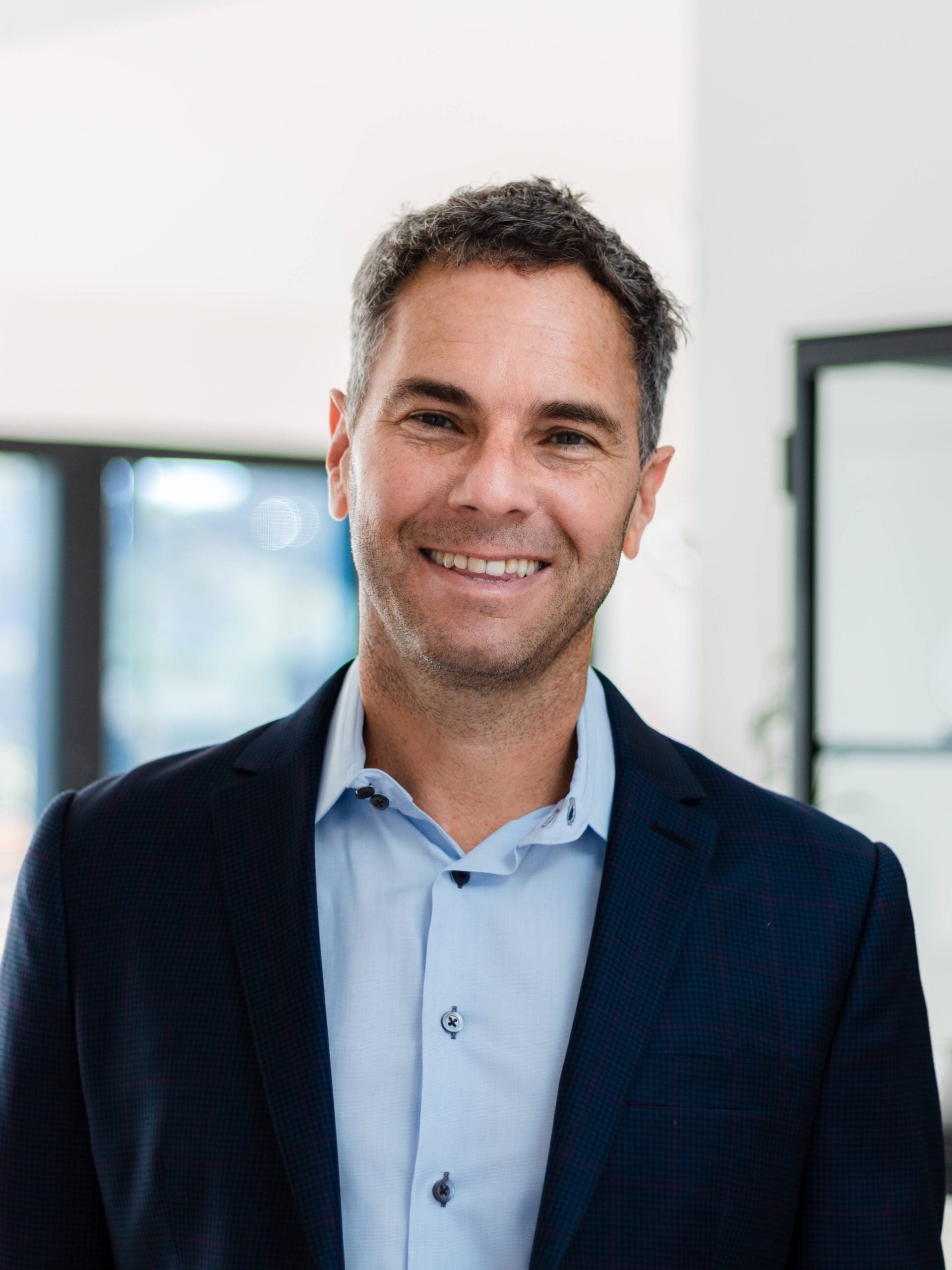
Chris Barton
Founder & Creator of Shazam, Entrepreneur, Inventor, and Tech Investor
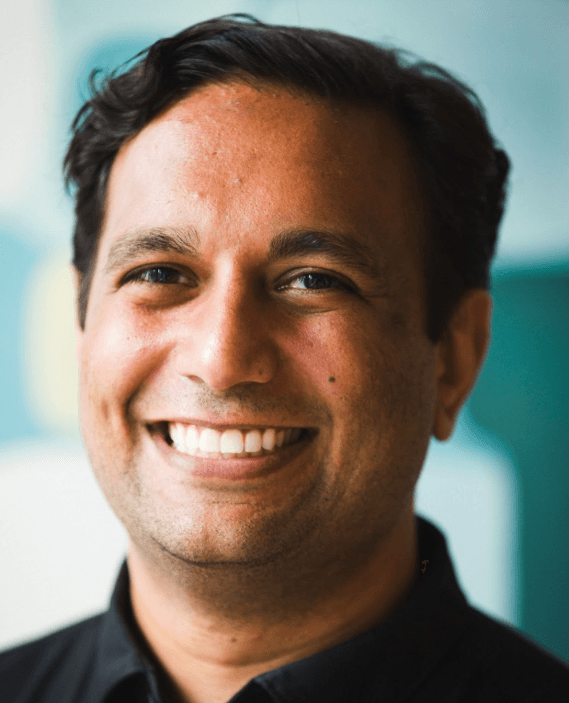
Mo Tiwari
Google DeepMind researcher and Stanford CS PhD bridging AI research with real-world impact

Drue Kataoka
Visual AI pioneer who has keynoted at Davos, Milken Global, the Vatican Academy of Pontifical Sciences, and the world's most prestigious stages
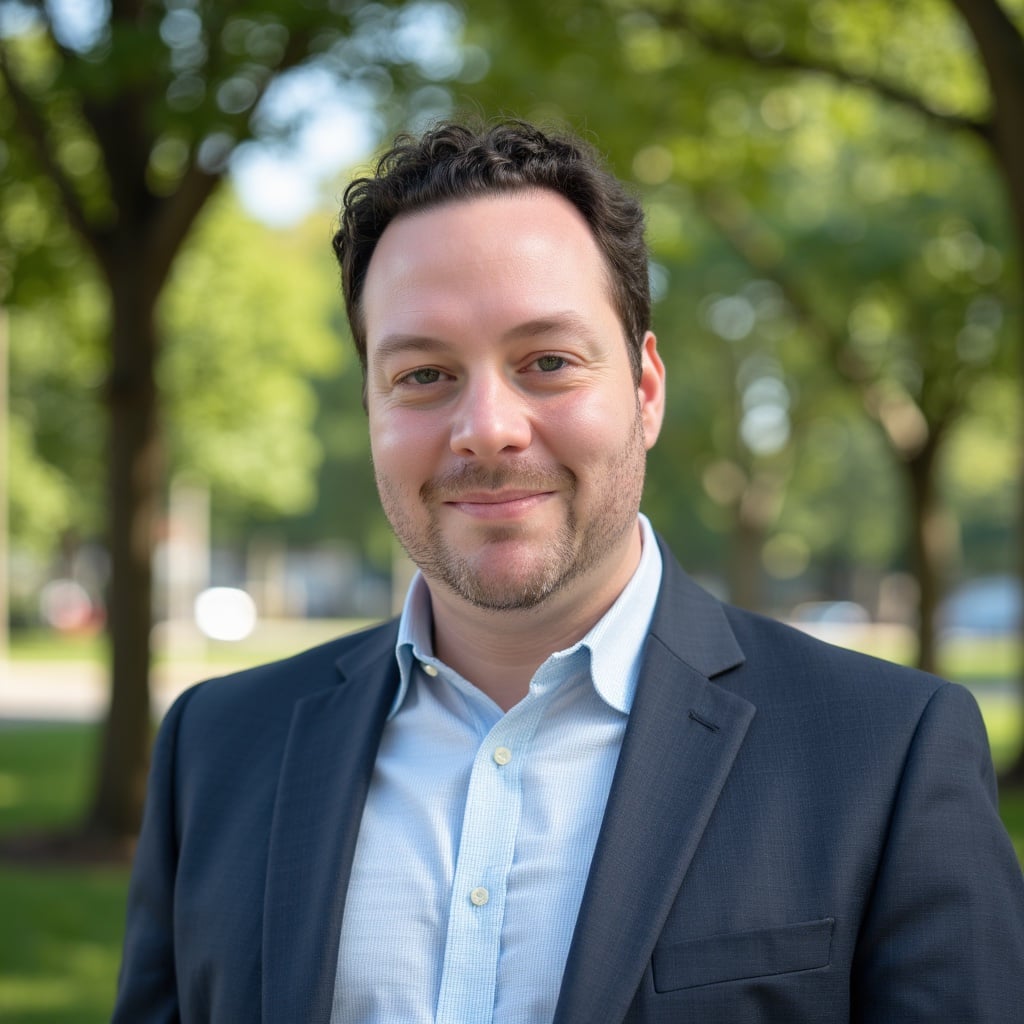
David Homan
USA Today Best-Selling Author and Speaker on Trust, Relationship Value, Human Connection, and Ethical AI
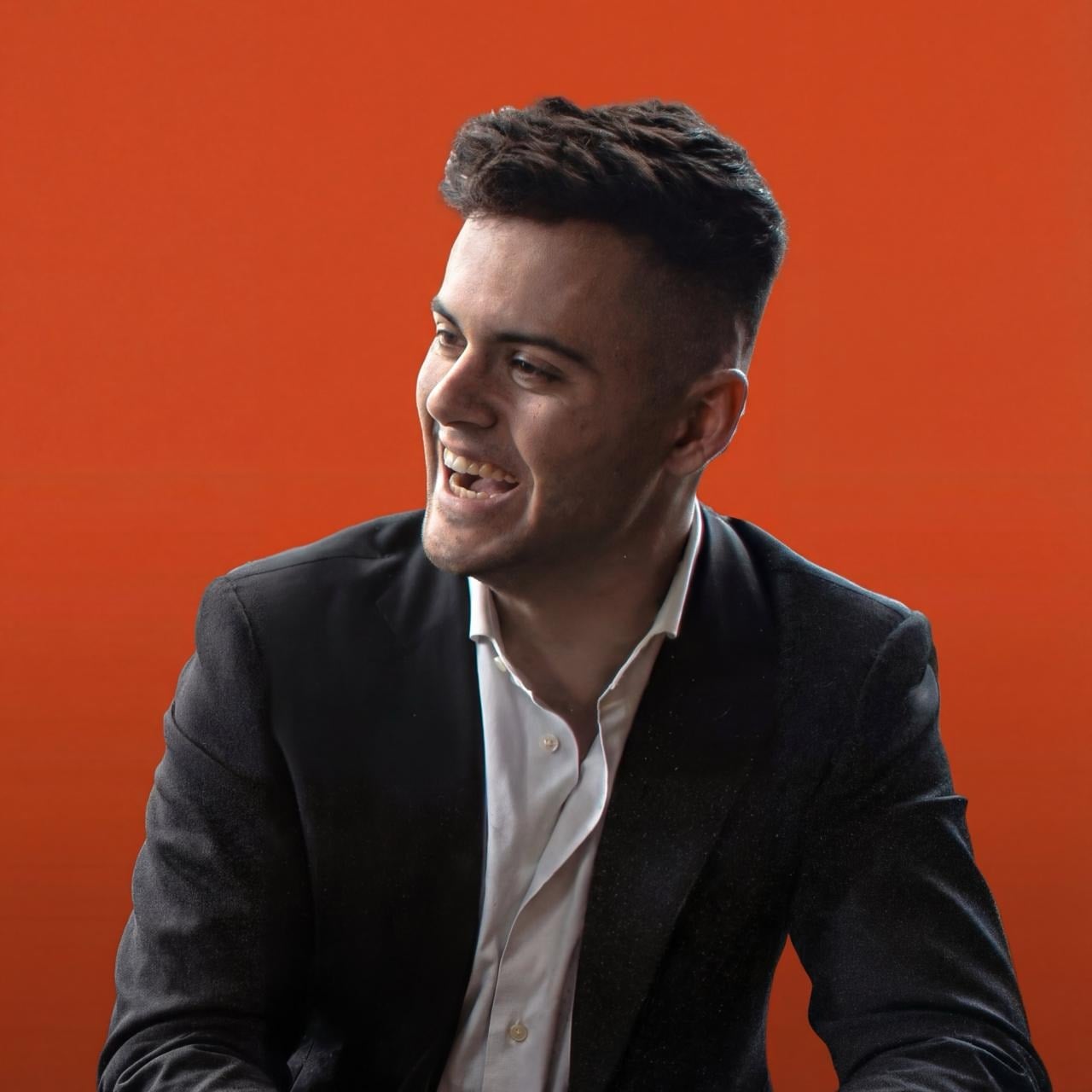
Ethan Monkhouse
Founder of Monkhouse & Partners and Head of AI at Knightox; runs his companies on the AI systems he builds
Most technology keynote speakers explain what the industry is doing. The people on this roster built what your audience already uses. Siri runs on more than 2 billion Apple devices. Shazam passed 2 billion downloads before Apple bought it. Yembo's AI processes inspection video across 20+ countries. That difference shows up in the first five minutes of a talk, because a builder answers the follow-up question and a commentator changes the subject.
Builder or researcher: which one does your room need?
A researcher like Mo Tiwari, an AI researcher at Google DeepMind (ex-OpenAI) with a Stanford CS PhD and 3,100+ citations, goes deep on model behaviour and where the frontier is heading. Brief him when the audience is engineering or R&D weighing real investment decisions. A founder like Adam Cheyer or Chris Barton tells the story of taking an impossible product to a system millions of people use, which is the better fit for mixed-business rooms, sales kickoffs, and leadership offsites where the takeaway is judgment rather than architecture.
What a technology keynote should leave behind
The weakest version recaps headlines your audience already read. The strongest goes narrow: one workflow being rewritten right now, one production system and what broke in it, one decision the speaker got wrong and what it cost. Philip Lakin's 1,000+ hours with enterprise AI teams produce that kind of specificity, which is why Gartner books him on the human side of adoption rather than the tooling.
Where these talks work best
Technology keynotes work hardest at engineering all-hands, customer conferences for technical products, R&D offsites, and executive briefings where leadership is deciding what to fund. They work least well where the audience wants hands-on tool training, which is a workshop rather than a keynote. Zach Rattner and Dr. Maya Ackerman both pair keynotes with workshop formats when an event needs the deeper session.
Tell us the audience, the date, and the one thing you want people doing differently afterwards. We come back within 24 hours with two or three names and real fee ranges.
Frequently Asked Questions
What does a technology keynote speaker cost?
Most technology keynotes on this roster book between $10,000 and $75,000 for a 45-minute in-person session. Founders of products your audience already uses sit in the upper half of that range. A virtual keynote runs 10 to 50% below the in-person fee for the same speaker.
Can a technology speaker present to a non-technical audience?
Yes, and it is worth naming in the brief. Dr. Maya Ackerman has been doing generative AI research since 2014 and teaches at Santa Clara University, so she is used to pitching the same material at two different depths. Tell us the seniority and technical level of the room and we will match to it.
How far in advance should we book a technology keynote speaker?
Six to twelve months for a major annual conference, three to six for a smaller internal event. The January-to-March and September-to-November windows fill earliest.
Ready to Book a Technology Speaker?
Tell us about your event and we'll recommend the perfect speaker.
Start Your Inquiry